
The complete guide to making your fly sheet last
You picked the right sheet. A handful of simple habits keep it protecting your horse -- fly-free, rub-free, and ready -- through the worst of bug season and into next year.
A good fly sheet is an investment. The difference between one that lasts a single summer and one that lasts many comes down to how you wash it, store it, fit it, and fix it. Here is everything you need to know.
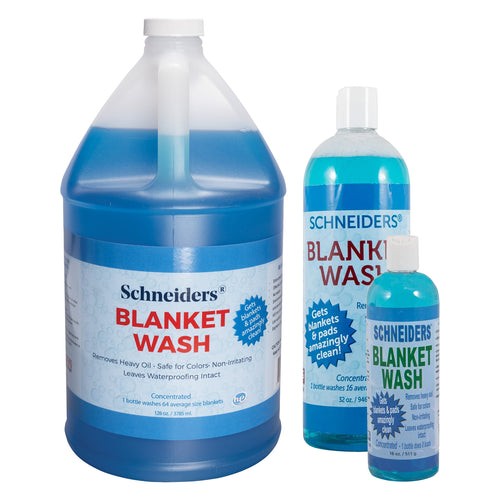
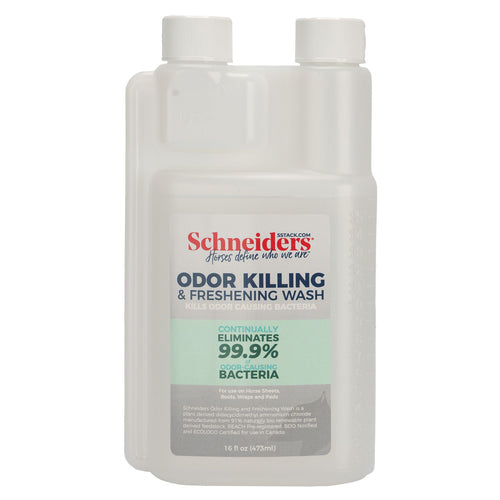
Mesh wicks sweat, dust, and dried fly spray all season -- and that grime breaks fabric down faster than the sun does. Wash it with a gentle, phosphate-free horsewear soap like the Schneiders Blanket Wash (household detergent strips the coating and stiffens the mesh). Between deep washes, a quick pass of Odor Killing Wash keeps it fresh.
- Cold water, gentle cycle -- or hand-wash in a tub for delicate mesh.
- Always air dry flat or over a bar. A hot dryer warps the fit and can melt mesh.
- Skip bleach and fabric softener -- both degrade the fibers and any UV/coating treatment.
- Spot-clean mid-season so grime never fully sets in.
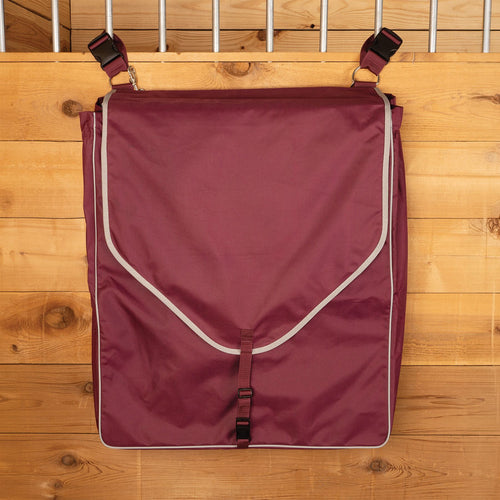
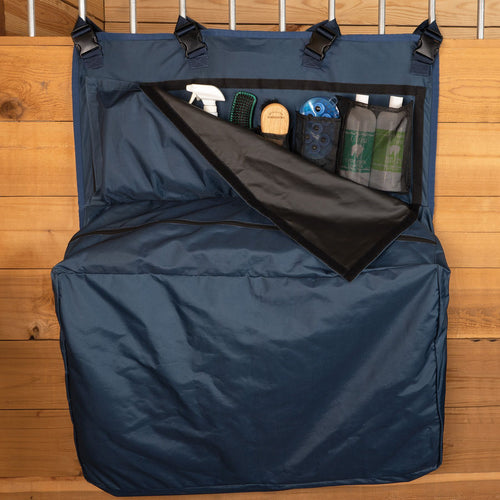
A sheet put away even slightly damp will mildew and smell within days. Make sure it is bone-dry, then fold it loosely into a breathable blanket bag -- not a sealed plastic tote -- and keep it up off the barn floor, away from chewing and curious mouths.
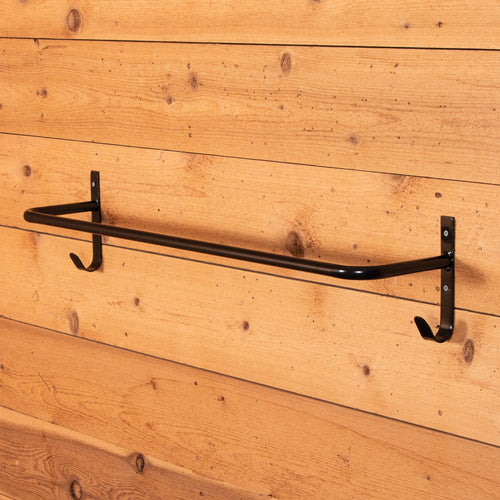
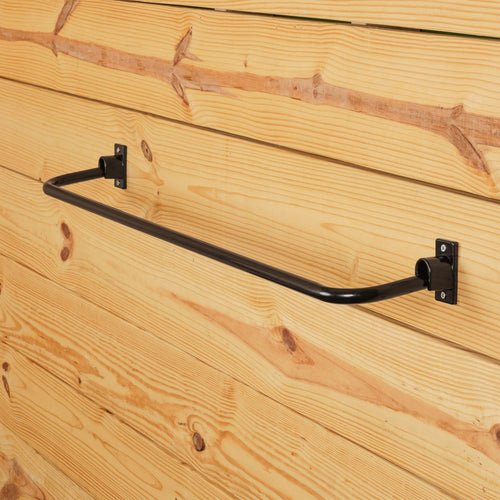
- Hang it on a horsewear bar to finish drying before it goes away.
- Label the bag by size and season so the right sheet is easy to grab next year.
- Store somewhere dry and rodent-free -- a sealed bag in a damp tack room still molds.
A sheet that shifts is a sheet that rubs and tears. Loose leg straps and surcingles let it slide, catch on fences, and wear holes at the shoulders -- the single fastest way to ruin an otherwise good sheet.
- Check leg straps and surcingles every week or two; keep them snug but not tight.
- Replace stretched or frayed straps before they snap and the sheet slips.
- Confirm the fit: the sheet should sit at the wither without pulling across the chest.
- Watch the shoulders for broken hair -- an early sign the fit needs adjusting.
A small turnout tear becomes a big one overnight. Keeping ripstop repair tape in the barn means you can patch the moment you spot a snag -- and a five-second fix adds whole seasons to a sheet's life.
- Patch on the spot; do not wait for laundry day.
- Clean and dry the area first so the tape bonds well.
- For a seam or hardware failure, repair it before the next turnout -- not after.
| Quick shake-out / spot clean | Weekly |
| Check straps, surcingles & fit | Every 1-2 weeks |
| Full wash | Every few weeks, or when visibly dirty |
| Inspect mesh for snags & thin spots | Each time you take it off |
| Deep clean & store | End of fly season |
Catch these early and a quick fix keeps the sheet in service. Ignore them and a small problem turns into a replacement.
- Broken or rubbed hair at the shoulders, chest, or withers
- Mesh that feels thin, brittle, or stretched out of shape
- Small tears or snags starting to spread
- Straps that are frayed, stretched, or no longer hold position
- A lingering smell even after washing
- Fading or stiffness across the topline (sun and grime wear)
Even a well-cared-for sheet eventually wears out. When the mesh is thin and brittle, tears keep reopening, or the fabric no longer holds its shape, it has stopped doing its job -- and a compromised sheet leaves your horse exposed. That is the time to replace it, and the perfect chance to upgrade fit or fabric.
Everything that helps a sheet go the distance -- clean it, store it, and keep it ready.
Can I machine wash a fly sheet?
Most can go in a large machine on cold/gentle, but mesh and detachable necks last longer hand-washed or washed at a horse-laundry. Never use hot water or a dryer.
How often should I wash it?
Spot-clean weekly and do a full wash every few weeks or whenever it is visibly dirty. Grime left in the mesh breaks fibers down faster.
My sheet is rubbing -- what do I do?
First adjust the fit and straps. If rubbing continues, add a shoulder guard underneath, and double-check you have the right size and cut for your horse's build.
When should I just replace it?
When the mesh is thin and brittle, tears keep reopening, or the fabric no longer holds its shape. At that point it is no longer protecting your horse.
A sheet covers the body. What about the rest?
Flies still go for the eyes, ears, and lower legs -- the spots a sheet can't reach. A fly mask and fly boots close those gaps and complete your horse's protection.