
The Lead Rope That Works the Day You Buy It
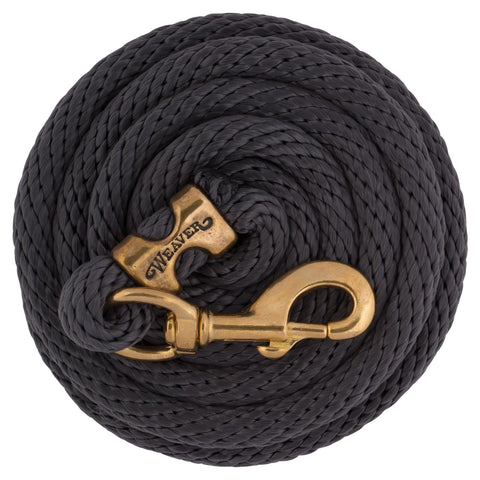
Premium polypropylene with a soft, already broken-in feel out of the box, finished with a non-rust solid brass 225 snap. Five-eighths of an inch by ten feet, in colors to match your halter.
Why Your Lead Rope Is Making Every Handling Session Harder
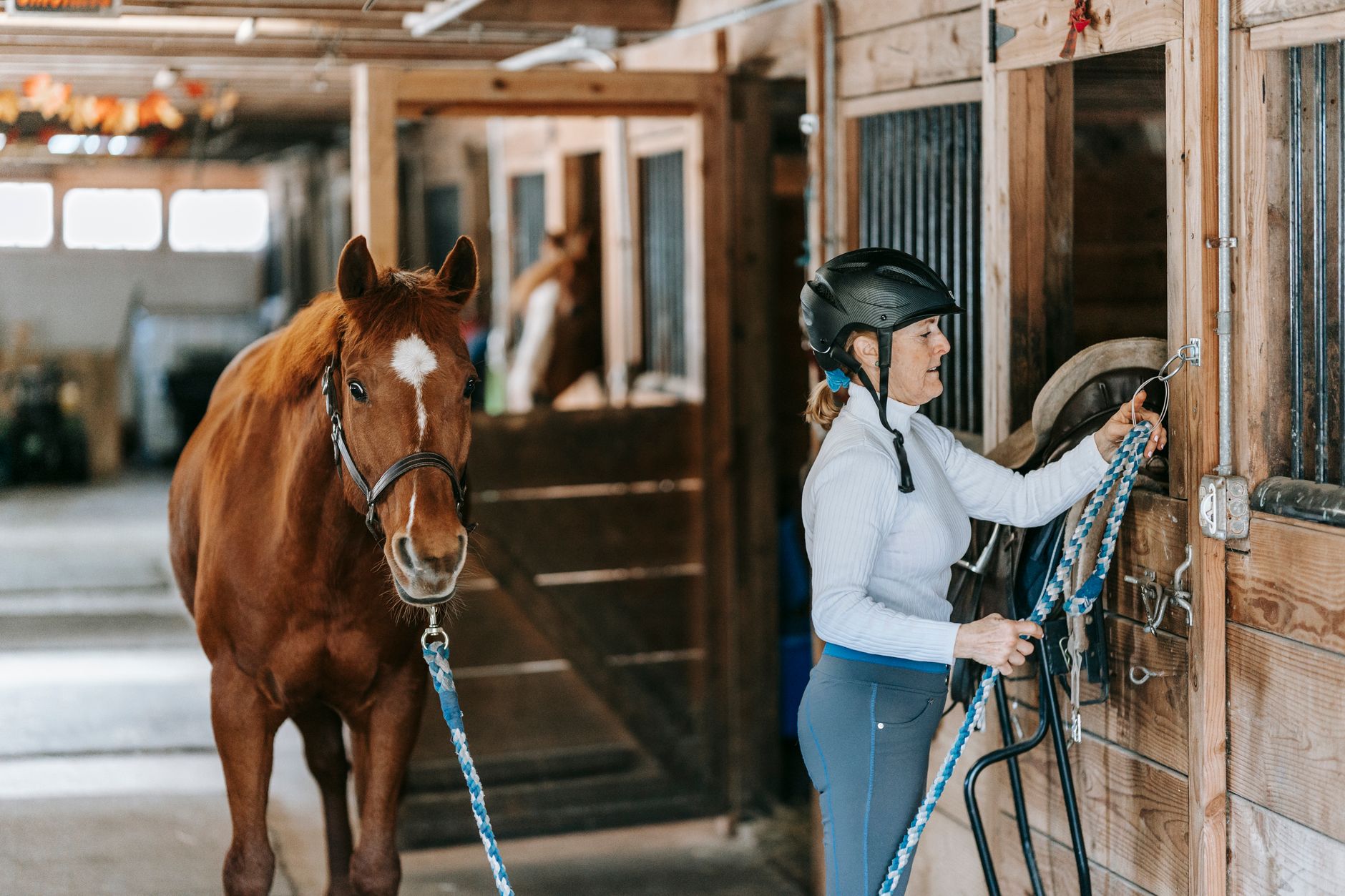
Then you get to the snap. Maybe you're in a hurry — feeding time, farrier's waiting, or a lesson starts in ten minutes. You grab the halter ring, press the lever, and the snap sticks. A little at first, then more. You wrestle it open, finally get it clipped, and hope it releases cleanly when you need it. If you're working with a horse that's moving its head, even a half-second delay in releasing that snap can change the whole energy of the moment.
Barn life moves fast. You're not in a lab testing equipment — you're in the real world, dealing with mud, moisture, temperature swings, and horses that have opinions about every step of handling. A lead rope that fights you is more than inconvenient. It chips away at the fluency of your communication with your horse. The rope becomes something you're managing instead of something working for you.
And then there's the corrosion problem. It shows up quietly. A few months in, the brass isn't quite as bright. A few months more, it's green. The mechanism slows. Eventually the snap becomes unreliable — or fails at exactly the wrong moment. You replace it. You replace it again. You start wondering if this is just how lead ropes work.

A Stiff Rope Tells On You at the Worst Time
A stiff rope shows itself at the worst moment — when your horse swings his head at the gate and you need to give an inch without losing contact. Instead of feeding through your hand, it springs out of it. Instead of draping over your arm, it holds the shape of the coil it shipped in. You're managing the rope rather than talking to your horse through it, and he can feel the difference.
Hardware is the other half. A snap that sticks costs you a half second, and a half second is a long time when the horse on the other end has already decided to move. Bright plating that goes dull, then green, then slow is a snap wearing out from the inside where you can't see it.
Most ropes break in eventually. The question is how many months of awkward handling you're willing to spend getting there, and what's holding your horse while you do.
- ✗A rope so stiff it springs out of your hand instead of coiling into it.
- ✗A snap that sticks on the halter ring when the farrier is waiting.
- ✗Hardware that looks fine on the outside and has gone green underneath.
- ✗Months of break-in before a new rope handles the way you wanted it to.

The Rope That Handles the Way You Wish They All Did
The snap is the other half of the job. This one is a non-rust solid brass 225 snap. Solid brass, not plated, so there's no coating to wear through and no hidden corrosion building up in the spring while the outside still looks fine.
At five-eighths of an inch by ten feet, it's the everyday working length: leading to and from the paddock, standing for the farrier, holding through grooming. Thick enough to grip without tiring your hand over a long barn day. Rinse it, hang it, and it's ready for tomorrow — poly doesn't hold water the way natural fiber does.
It comes in a range of colors to match your favorite halter and your barn colors, which sounds like a small thing right up until you notice that the piece of tack you enjoy reaching for is the one you actually use. Schneiders has carried Weaver for years because Weaver builds working tack the way we've built it since 1948: right from the material out.
Solid Brass Hardware
A non-rust solid brass 225 snap — solid brass, not plated, so there's no coating to wear through as the seasons go by.
Ready Out of the Bag
Soft, pliable poly construction gives you that fully broken-in feel from the very first time you pick it up.
Colors to Match Your Barn
Available in a range of colors to match your favorite halter and your barn colors.
5/8 Inch by 10 Feet
The everyday working length — long enough to give your horse room, short enough to stay out of the mud.
Compare the Details Before Your Next Clip
These three 10-foot lead ropes differ in material, diameter, hardware, construction details, and published handling features. Information not stated on the cited product pages is marked “Not listed” rather than inferred.
| Feature | Schneiders Weaver Poly Lead Rope with Solid Brass Snap | Reinsman 10ft Lead Rope with Snap | Mustang Manufacturing Cotton Lead Rope, Product #6011 |
|---|---|---|---|
| Rope material | Polypropylene | Polypropylene blend | Cotton |
| Published dimensions | 5/8 inch x 10 feet | 10 feet long; diameter not listed | 3/4 inch x 10 feet |
| Snap construction | Non-rust solid brass 225 snap | Heavy-duty brass hardware with bolt snap | 1-inch brass-plated bull snap |
| Rope-to-snap attachment | Not listed | Clamp | Not listed |
| Published handling description | Soft, broken-in feel | Described as durable and strong; softness not listed | Handling feel not listed |
| Published resistance claim | Rope described as strong and abrasion resistant | Lead described as stain and UV resistant | No resistance claim listed |
Built for Barns, Not Just the Tack Store
- ✓Premium polypropylene rope — soft and pliable straight out of the package
- ✓Solid brass 225 snap — non-rust, corrosion-resistant hardware that stays smooth
- ✓5/8" x 10' — the practical working length for everyday barn use
- ✓Water-resistant poly fiber — sheds moisture and resists mildew breakdown
- ✓Available in multiple colors — coordinate with your favorite halter
A Lead Rope That Earns Its Place in Your Tack Room
Get the Lead Rope That Handles Right from Day One
No break-in period, no coating to wear off the snap, no fighting the rope when your horse needs your full attention. Schneiders has stocked tools that work since 1948, and this Weaver lead rope is exactly the kind of dependable everyday gear we built our reputation on. Add it to your tack room and feel the difference on your very first clip. Free shipping on orders over $99.