
Which Fly Mask Is Right for Your Horse?
Not every horse needs the same mask. Match your horse's trouble spots to the right coverage, and summer gets a whole lot quieter -- for both of you.
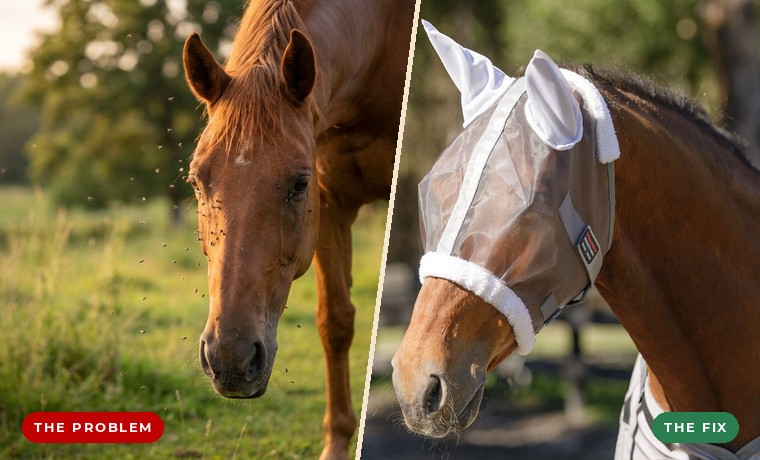
Start with what bothers your horse most. Each trouble spot points to the coverage that solves it.
Sensitive, weepy or runny eyes
Choose a mask with generous eye darts that hold the mesh off the eye -- a standard, well-fitted fly mask is the everyday workhorse for most horses.
Pink or sunburn-prone nose
Add nose coverage. An extendable-nose mask shields a light or pink muzzle from UV and biting flies where sunburn and summer sores start.
Gnat-bothered, head-shy ears
Pick a mask with ears. Covering the ears stops the itching and head-shaking that make a horse hard to handle and ride.

Rough on turnout gear
Go for a durable mesh mask built to survive pasture play, rubbing, and rowdy turnout without tearing.
Every Schneiders fly mask falls into one of three levels. Tap the one that fits your horse to shop it.
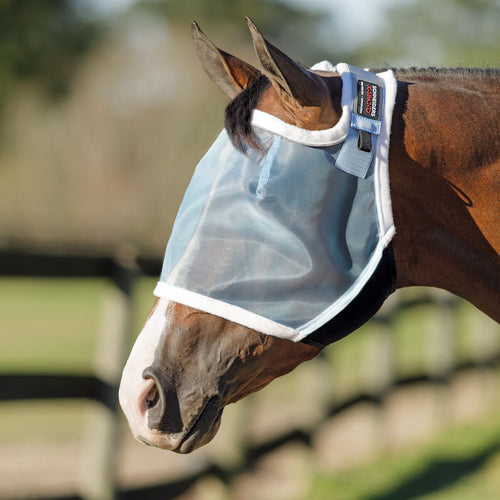
Without Ears
Full eye and face coverage, ears left open. The lightweight everyday choice for horses that don't mind flies at the ears.
Shop Without Ears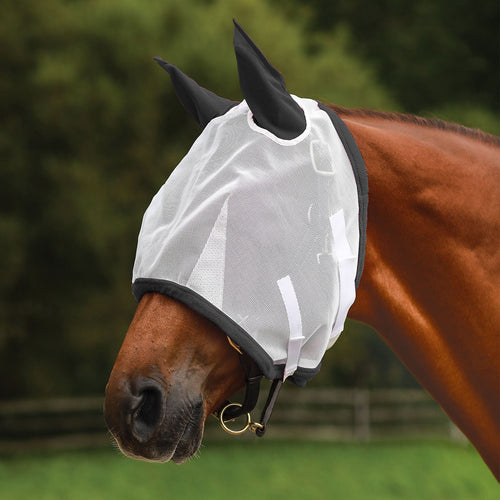
With Ears
Eyes, face, and ears covered. The best all-around pick for gnat-bothered or head-shy horses.
Shop With Ears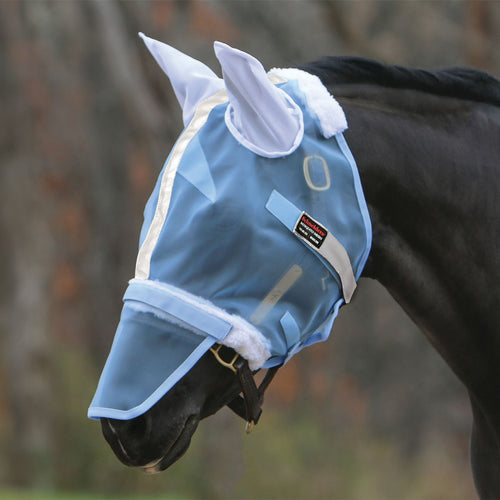
Nose Coverage
Extendable nose shields a pink or sunburn-prone muzzle, plus the eyes, face, and ears.
Shop Nose CoverageStill not sure?
Answer a few quick questions about your horse and we'll point you to the right mask -- and the rest of the fly protection that goes with it.