
Learning Center
Everything horse care.
Practical guides from the Schneiders team — blanketing, fly protection, feeding, barn and stable, health and grooming, riding and training.


Blanketing

Where can I get my horse blankets washed properly?
A proper blanket wash uses a technical detergent that protects waterproofing, and the best services reproof at the same time.

When do I pull summer sheets in for wash and storage?
Pull summer sheets in stages as each one stops earning its place, and store everything clean and bone dry.
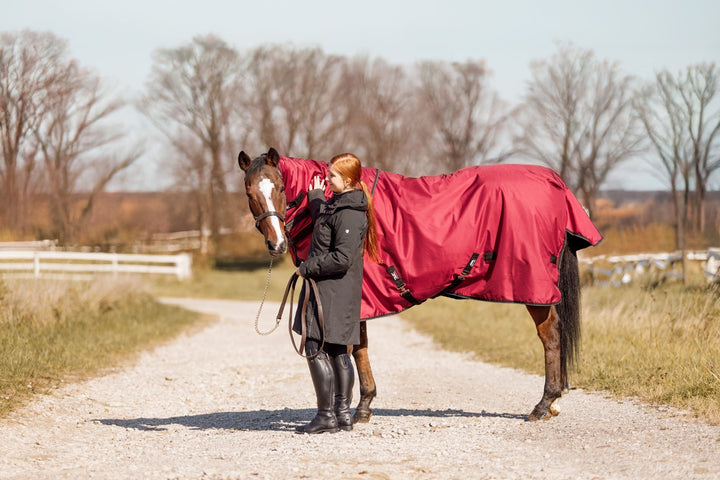
Does Last Year's Blanket Still Fit My Horse?
A five-minute fit check before you buy new — where blankets slip, rub, or bind, and how to measure.
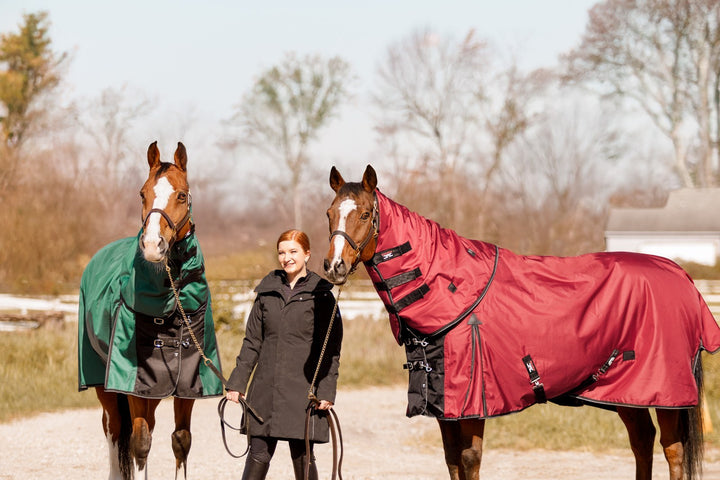
Is Last Year's Turnout Blanket Still Waterproof?
How to test waterproofing at home, when to reproof, and when the fabric is genuinely done.
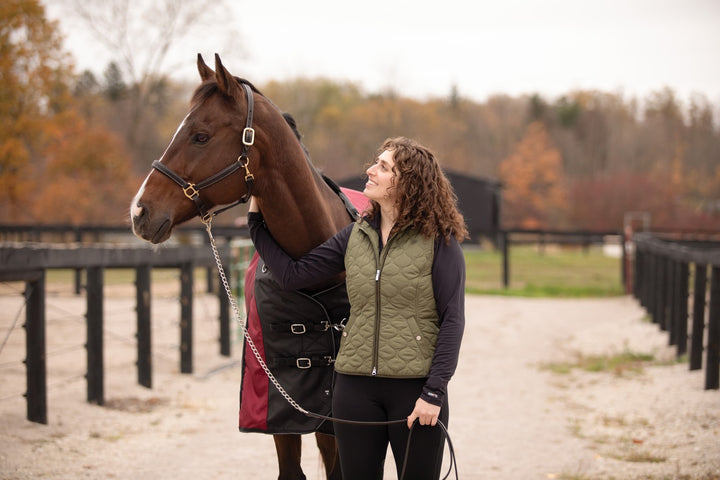
What Blanket Weight Do I Need at What Temperature?
A quick reference for matching blanket weight to real-world temperatures — with the caveats that matter.
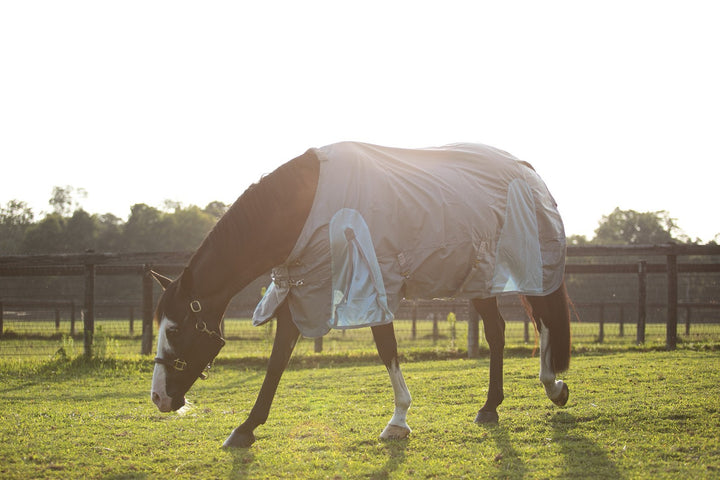
When Do I Switch From a Fly Sheet to a Rain Sheet?
The seasonal switch nobody talks about — reading the weather, and what layer belongs on when.
Fly & UV

When do I stop using fly spray in the fall?
Fly spray comes off when the bugs stop showing up, not on a set date, because insect activity tracks temperature.

When do I stop using a fly mask in the fall?
A fly mask can come off at night once temperatures drop, but sun exposure can keep it useful well past fly season.

Do I need to wash my fly sheet with detergent before storing it?
Salt left in mesh after a rinse attracts pests and breaks down fibers, which is why a proper wash matters before storage.

Do gnats and no-see-ums need a different fly spray than flies?
Gnats and no-see-ums slip past sprays built for horseflies, so label wording and coverage matter more than the brand.

Do Fly Sheets Really Work?
What a fly sheet actually does — and doesn't. Fit, fabric, and when it's worth the buy.
Feeding & Supplements

What's Actually in a Hoof Supplement?
Biotin gets the marketing, but hoof horn is built from sulfur-containing amino acids. Why the methionine content of two hoof supplements can...

Does My Horse Need Electrolytes, or Just Salt?
Salt is a daily requirement; electrolytes are a top-up for real sweat losses. How to tell which your horse needs, and how...

What's Actually in a Horse Joint Supplement?
The four ingredients behind almost every joint supplement, what each one does, and how to read a guaranteed analysis so you can...

Why does a hay net need to hang at a certain height?
The right hay net height balances a horse's natural eating posture against the risk of a hoof catching in the mesh as...

What makes a slow feed hay net actually slow your horse down?
Hole size and net material change how a horse's lips and incisors have to work, which is what actually slows eating down.

How much hay does my horse waste with a ground feeder versus a hay net?
Hay waste isn't one problem, it's three; see how a net or feeder changes each one, and how to weigh your own...
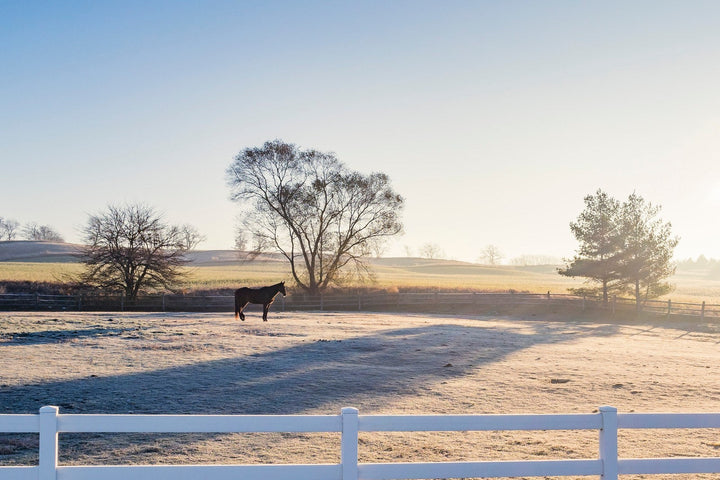
How Do I Put Weight on My Horse Before Winter?
Feeding shifts that actually add condition — hay quality, fats, and when to call a nutritionist.
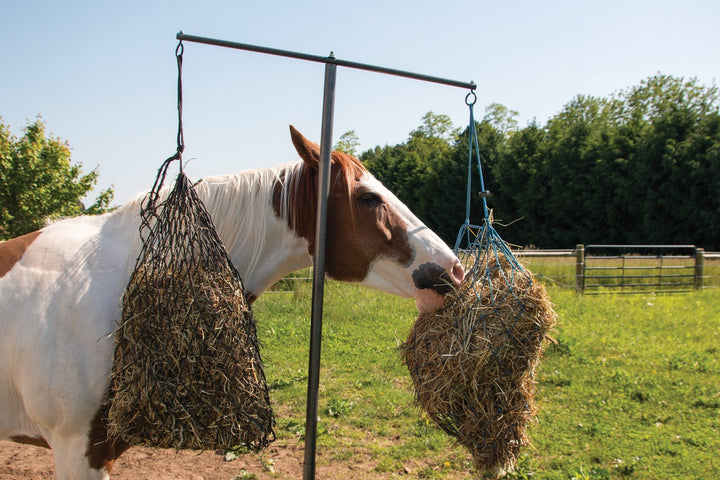
How Much Hay Per Horse Per Day?
The rule of thumb, the exceptions, and how weather + workload change the math.
Barn & Stable

Why does my horse need a breakaway tie, and where should the tie ring go?
A tie is designed to fail before your horse does; here's how ring height, tie length and breakaway hardware work together to...

Why does a bridle need a rounded rack, not a hook?
A narrow hook concentrates a bridle's weight into a crease; a rounded rack spreads that same weight so leather holds the shape...

What's the right muck fork tine spacing for my bedding type?
Wide tines sift shavings fast but lose small manure balls; close tines hold pellets but clog. Match the fork to your bedding,...

What is a stall guard rated to hold, and when do I need a door instead?
A stall guard holds a horse that respects it, not one that tests it. Here's how to tell which horse you have.

How much weight does a wall-mounted saddle rack need to hold?
A saddle rack must handle the force of lifting a saddle, not just its resting weight, and the wall behind it matters...

How high and how far apart should cross-ties be?
Cross-tie rings should sit at or above your horse's eye height, angled slightly down to the halter, with enough length to stand...

How does a portable horse water heater work, and stay reliable?
Tankless wash heaters and bucket de-icers both get called "water heaters," but they work — and fail — in completely different ways.

When Should I Winterize the Barn?
Water heaters, the barn water line, hay storage, ventilation, mud and ice, and what to replace before winter -- in the order...
Health & Grooming

How Do I Reduce Dust for a Horse With Respiratory Irritation?
Most respiratory irritation is an environment problem before it is a supplement problem. Soaking and steaming hay, ventilation, bedding - and when...

What actually works for mud season in a run-in shed?
Gravel alone sinks. Here's why dealing with water before it reaches the ground is what actually fixes a muddy run-in.

Should I get my horse's teeth checked before winter hay?
Fall dental checks belong before the switch to winter hay, because that's when the extra chewing demand starts.

Is my horse's dull coat heading into fall a nutrition problem?
Most dull fall coats are cosmetic sun and sweat wear fading out, not a nutrition problem, unless it comes with weight or...
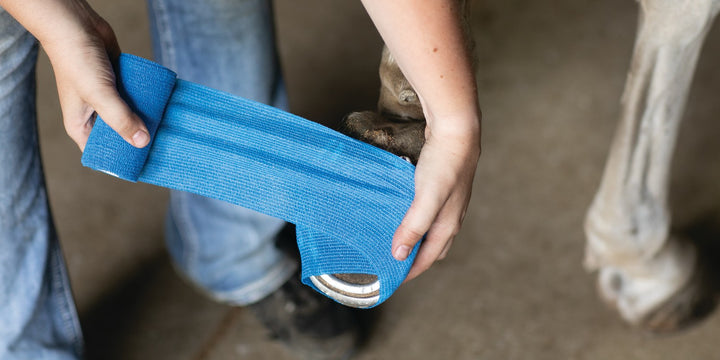
What is thrush in horses?
What the black, foul-smelling discharge in your horse's frog actually is, what caused it, how to treat it, and how to stop...
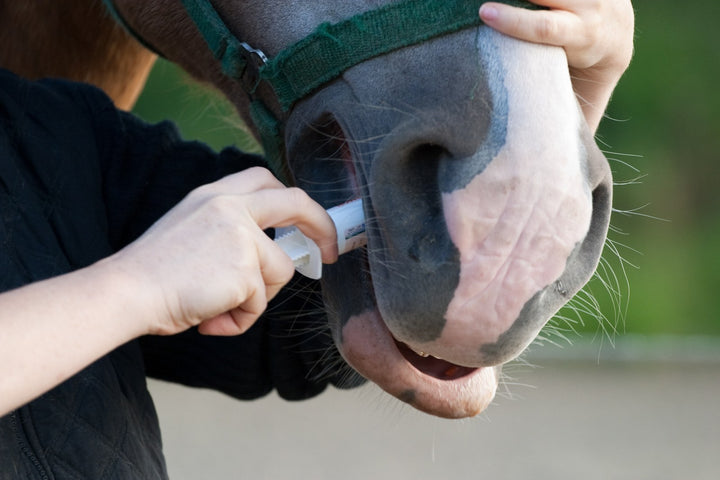
Should I Do a Fecal Egg Count Before Fall Deworming?
Why a fecal egg count comes before the fall deworming, what the number tells you, and how targeted deworming replaced the rotation...
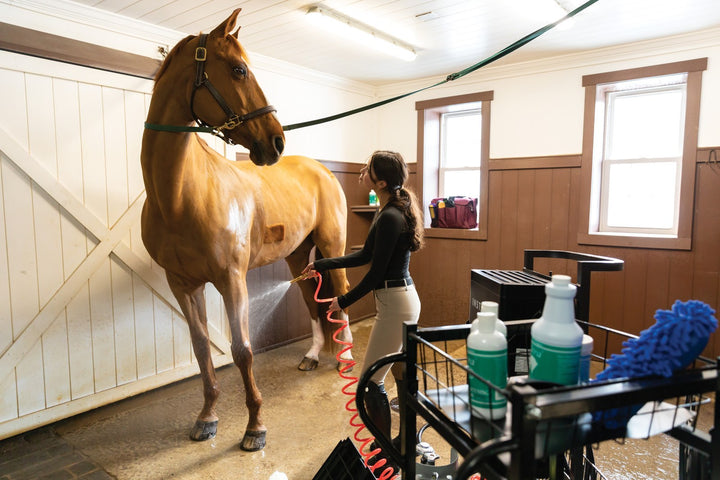
How Do I Prevent Scratches and Mud Fever?
The routine that actually keeps pastern skin healthy through mud season — and when to call the vet.
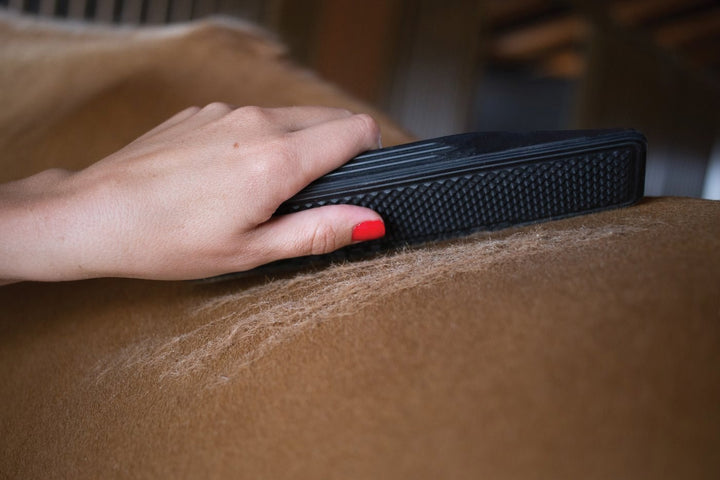
When Should I Body Clip My Horse?
Timing your clip by coat, climate, and show schedule — plus what to layer after.
Riding & Training

What should I pack for a fall show that's cold in the morning?
A cooler is the one thing a July show bag doesn't have, and it earns its place twice over on a cold...

What comes out of storage for the first fall show?
Four items separate a fall show bag from a July one, and each one solves a problem summer doesn't create.

How do I keep my kid's pony fit on a school schedule?
Two structured rides a week holds a pony's existing fitness once school starts, even though it won't build much new.

How many weeks before a show should I practice braiding?
Most people pick braiding back up two to three weeks before the first show, one mane a week, to get the hand...

What changes for a horse who gets ulcers when hauling to fall shows?
Fall show hauling can trigger ulcers; managing forage and knowing UlcerGard from GastroGard is what changes.

Does hauling change in cold fall mornings?
Ventilation matters more than warmth when hauling in cold fall mornings, because a closed-up trailer gets humid fast.
How Many Weeks of Conditioning for Fall Shows?
A conditioning timeline for fall shows — how many weeks, what workload builds fitness safely.
Frequently asked questions
The questions horse owners ask us most. Tap any question to expand.
How do I know if my horse's blanket still fits?
A five-minute pre-season check will catch most fit issues. Look for chest gapping (should be snug but not tight), shoulder rub (no worn hair patches), tail flap coverage, and a drop that reaches the top of the hocks. If the blanket slips sideways within an hour of turnout, it's too big; if the chest strains at the buckle, it's too small.
What blanket weight does my horse need at what temperature?
For an unclipped horse with shelter, in dry conditions: nothing above 50°F, a sheet or nothing at 40–50°F, a sheet to lightweight at 30–40°F, a midweight at 20–30°F, and a midweight to heavyweight below 20°F. Clip the horse, or add wet and wind, and each of those moves up a layer. Go by the overnight low, not the afternoon high.
How much hay does my horse need per day?
Plan on about 2.5% of body weight in forage per day, which is 25 lbs of hay for a 1,000-lb horse with no pasture. Overweight and metabolic horses sit nearer 1.5% (about 15 lbs); hard keepers, seniors and horses living out in cold weather run toward 3% (about 30 lbs). If you are guessing more than a couple of pounds either way, weigh a few flakes on a bathroom scale.
Do fly sheets actually work?
Yes, when the fit is right. A well-fitted fly sheet keeps biting flies off the barrel and shoulders, reduces sun bleaching, and gives sensitive-skinned horses meaningful relief. It's not a spray replacement — legs, face, and belly still need help — but it's the single most effective piece of fly gear for the body. Fit matters more than brand: a sheet that slips or rubs won't stay on long enough to help.
How do I prevent scratches and mud fever?
Keep pastern skin dry and clean. If pastures are muddy, hose legs off when horses come in, then towel-dry — don't leave them wet under wraps. Clip long feathers so moisture can evaporate. If the skin is already broken, keep it dry, gently clean daily, and call your vet if it doesn't improve within a few days. Chronic cases need a diagnosis; don't chase over-the-counter products indefinitely.
When should I body-clip my horse?
Most riders clip once in early fall (October–November) when the winter coat is coming in and again in late winter (January–February) if the horse is in work. Clip type — trace, blanket, hunter, or full — depends on workload, climate, and blanketing setup. The rule is: if your horse sweats significantly during winter work and can't dry off in a reasonable time, they should be clipped and blanketed.