
Should I do a fecal egg count before the fall deworming?
What a fecal egg count actually measures, and why it has replaced the rotation calendar as the standard way vets decide what to give and when.
Schneiders Learning Center · Updated September 29, 2026
Family owned in Chagrin Falls, Ohio since 1948.
Worth revisiting with your vet rather than following a calendar you set up years ago. A fecal egg count tells you what's actually in your horse's gut, and treating based on that result rather than a fixed rotation is now the standard recommendation because blind rotational deworming is what drove the resistance problem in the first place.
This is the one autumn health question where the right answer is usually "ask your vet, then act," rather than "buy this." We stock what you'll need once you know the result -- but what you give should follow what a test tells you, not a calendar.
Fecal egg count before the fall deworming, or stick with the rotation my vet set up years ago?
A programme designed years ago may predate that shift. That's a reasonable thing to raise at your next visit rather than a reason to change anything on your own.
A fecal egg count works by measuring how many strongyle and other parasite eggs are present per gram of manure, which is a proxy for how large a worm burden your horse is actually carrying. That number sorts horses into low, moderate, or high shedder categories, and most mature horses on a stable pasture turn out to be low shedders most of the year. The difference is that a count tells you which horse actually needs treatment this month, rather than assuming every horse in the barn needs the same product on the same date.
The old rotation calendar treated every horse the same way regardless of what it was actually carrying, which meant dewormers were being given to horses that didn't need them nearly as often as the label implied. Every unnecessary dose is another chance for the small percentage of parasites that survive to pass on that survival trait, which is which means resistance builds fastest in programs that treat on a schedule rather than on evidence. Targeted deworming, treating the horses and seasons that a count shows actually need it, slows that process because it reduces the total drug exposure the parasite population sees.
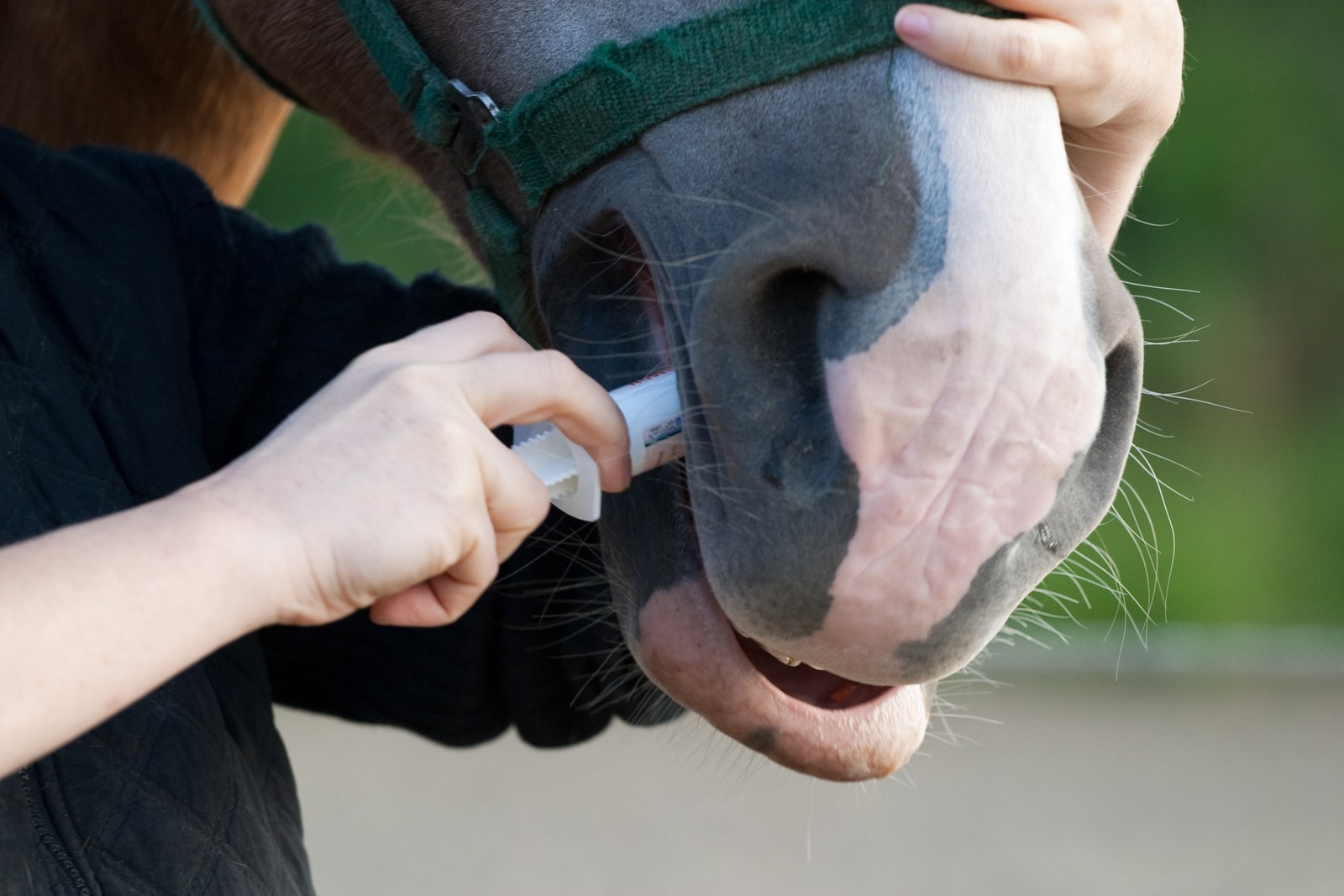
Once you know what you're treating, the active ingredient is what matters, not the brand. Ivermectin and moxidectin products target different stages and species than the fenbendazole and pyrantel ones, and a fall treatment often includes a tapeworm component -- which is what Zimecterin Gold and similar combination products are for. Your vet will tell you which class your horse needs.
Weight matters as much as product. Underdosing is one of the ways resistance builds, so use a weight tape rather than a guess before you set the syringe.


We can help with weight tapes and dosing supplies -- ask our team. For deworming decisions, please talk to your vet.