
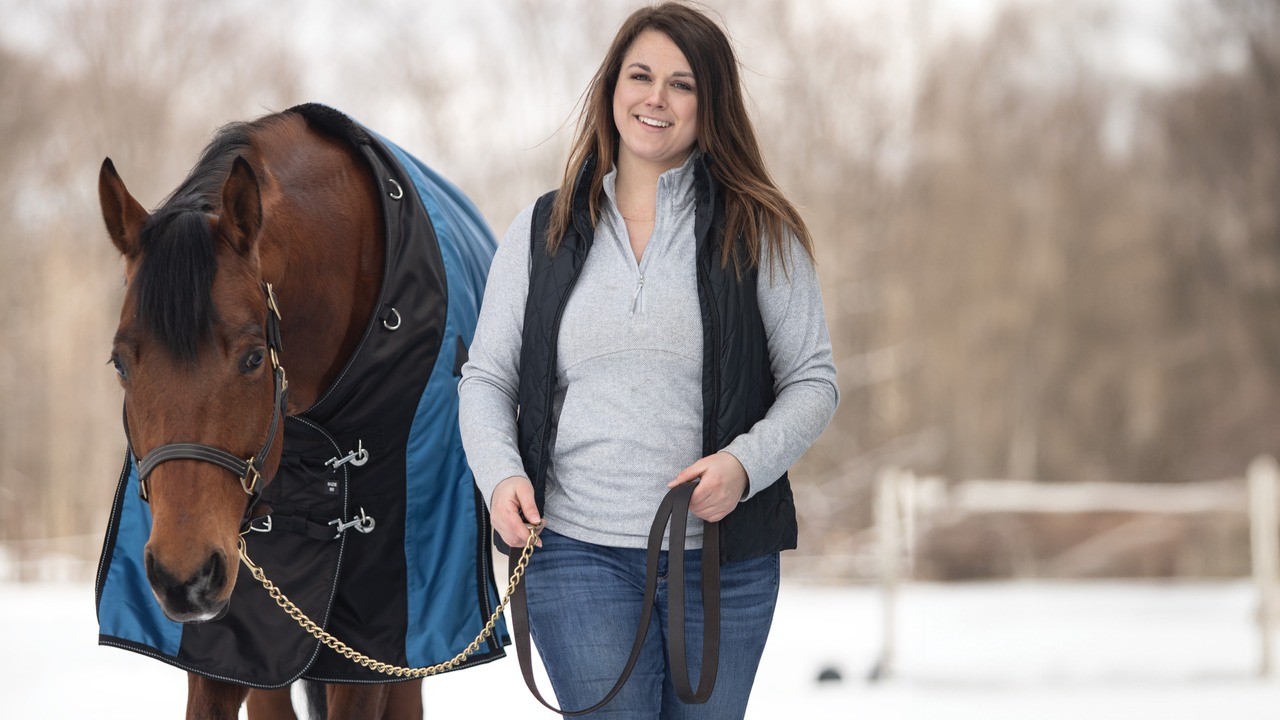
The Complete Guide to Blanket Fit, Washing & Storage
A blanket that fits right and gets a little regular care protects your horse and lasts for years. Here's everything we've learned about checking the fit, layering for the weather, washing it the right way, and putting it away right between uses.
Whether it's brand new or been through a few winters already, a few minutes of checking now saves rubs, slipping, and early wear later -- and a proper wash-and-store routine keeps it ready to go every time the weather turns. Start with the quick list below, then work through the five things worth knowing for your blanket.
Blanket Care at a Glance
- Neck opening lays flat -- no gaping, no pinching
- No rubbing at the withers, the #1 trouble spot
- Leg straps crisscrossed, surcingle snug across the belly
- Wash a few times a season with a technical-fabric wash
- Reproof once water stops beading on the surface
- Store fully dry in a breathable bag between uses
Getting the Fit Right
A blanket that's too loose rubs and slips; too tight restricts movement and rubs the shoulders. A few quick checks tell you which you've got -- and it's worth rechecking each fall, since horses change shape year to year.
Run through this checklist
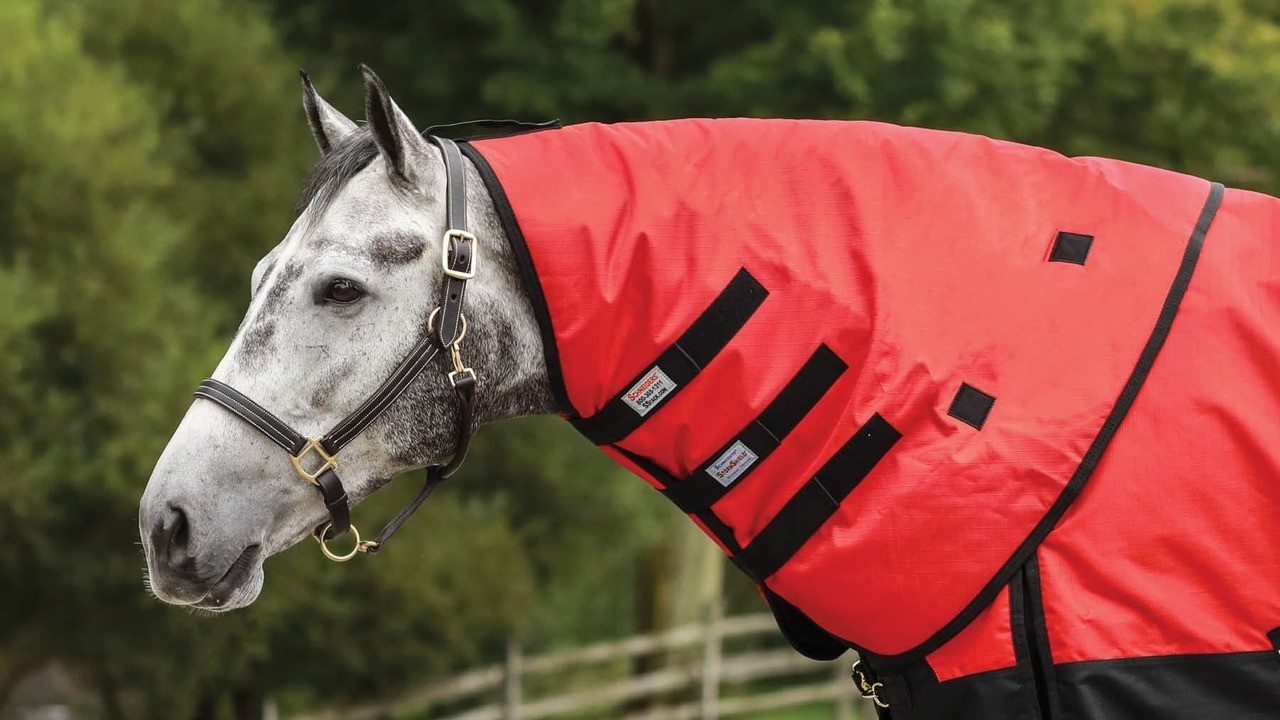
- Neck: the neck opening should lay flat with no sagging, gaping, or pinching. It should keep wind and rain out without digging in. If your blanket has Adjusta-Fit, adjust the neck opening for the perfect fit.
- Overall Fit: the blanket shouldn't slip or slide forward, back, or to the sides, and it shouldn't be so long down the back that the tail flap weighs down the tail.
- Withers: check for rubbing where the blanket crosses the withers -- the #1 spot for pressure points. The fleece lining should sit smoothly, even when your horse lowers its head to graze.
- Straps & Closures: leg straps crisscrossed and adjusted, front closures fastened but not straining, surcingle or bellyband snug across the belly.
Layering by Temperature
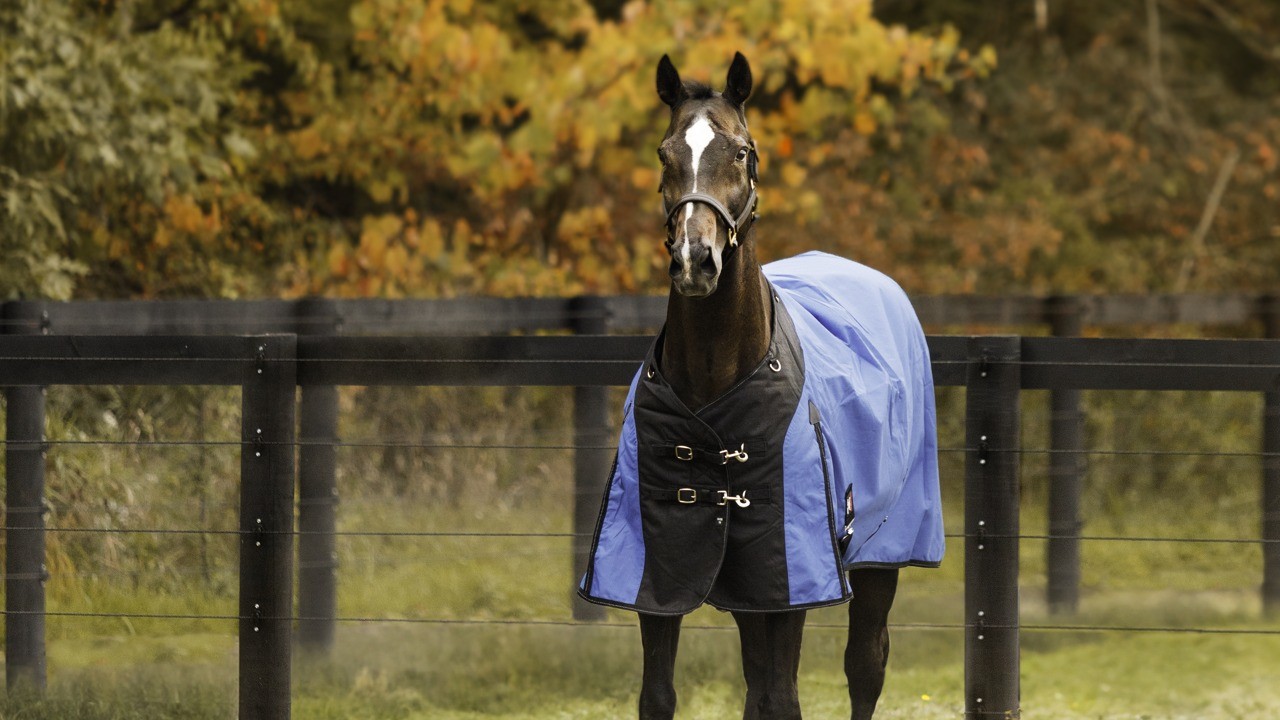
Match the weight to the weather -- and to how much natural coat your horse is carrying -- rather than layering on guesswork.
| Weight | Best for |
|---|---|
| Lightweight / Sheet | Above 50°F, or as a layer under a heavier blanket |
| Midweight | 30–50°F, clipped or thin-coated horses |
| Heavyweight | Below 30°F, or clipped horses in deep cold |
The easiest way to add warmth
- A liner or neck cover adds warmth without buying a second heavy blanket
- Layer it under your turnout for the coldest stretches, then pull it for milder days
- Match the neck cover's weight to your blanket for consistent coverage head to tail


Washing Your Blanket
Sweat, dirt, and everyday grime do more than make a blanket look dingy -- built-up dirt breaks down waterproof coatings faster and can hold moisture against a coat. A wash a few times a season keeps the fabric breathing and the coating intact.
Pick a method that matches the blanket
- Pressure washing: best for heavyweight turnouts caked in mud -- hose or pressure-wash outdoors, working outside in, and rinse thoroughly
- Hand washing: the gentlest option, safest for anything with heavy waterproofing or delicate trim
- Machine washing: fine for lightweight sheets and coolers if your machine is large enough and the care tag allows it -- cold water, mild detergent, skip the dryer
- Skip fabric softener and standard laundry detergent -- both leave a residue that breaks down waterproof coatings


Maintaining the Waterproofing
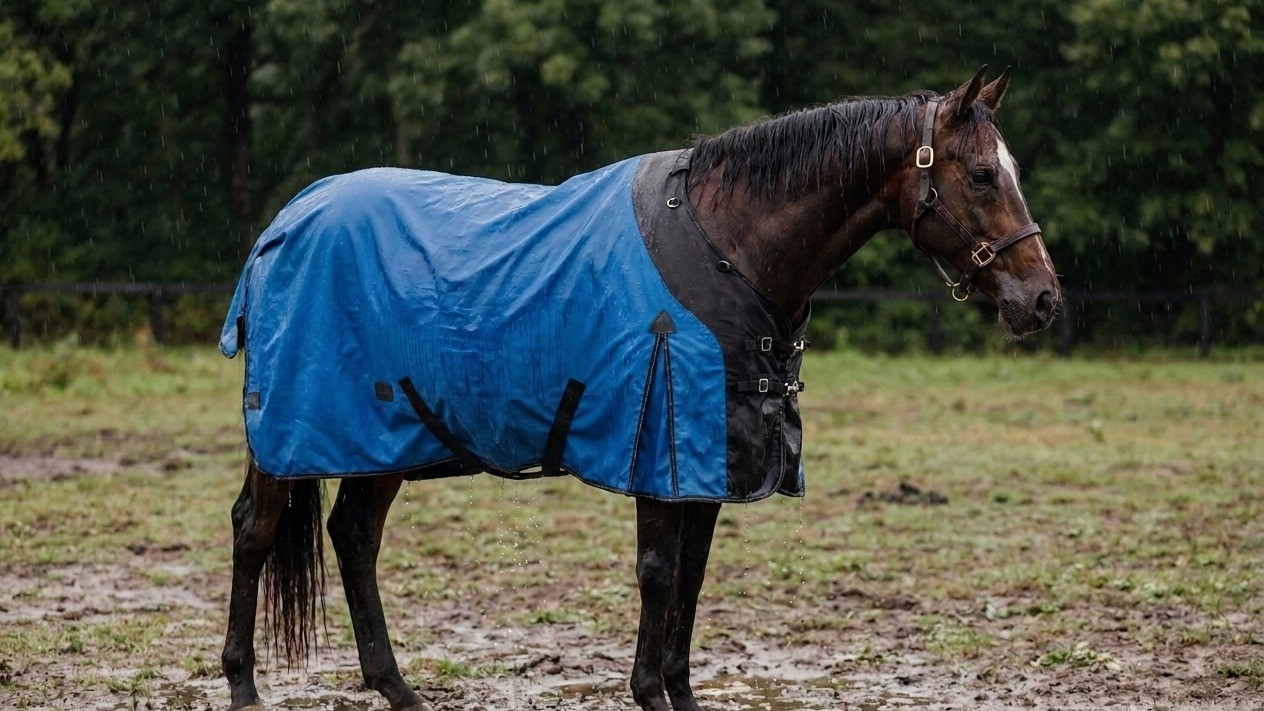
Waterproofing wears down with wear, washing, and time in the sun -- it isn't a one-and-done coating.
Keep it working
- Run the water test. Splash a little water on the shell -- if it beads and rolls off, you're fine. If it soaks in, it's time to reproof.
- Don't over-wash. Every wash strips a little waterproofing along with the dirt -- wash only when it's genuinely needed.
- Reproof after washing. A spray-on or wash-in treatment restores the coating in an afternoon.


Drying & Storing Between Uses
How a blanket dries and where it's stored matters almost as much as how it's washed.
Store it right
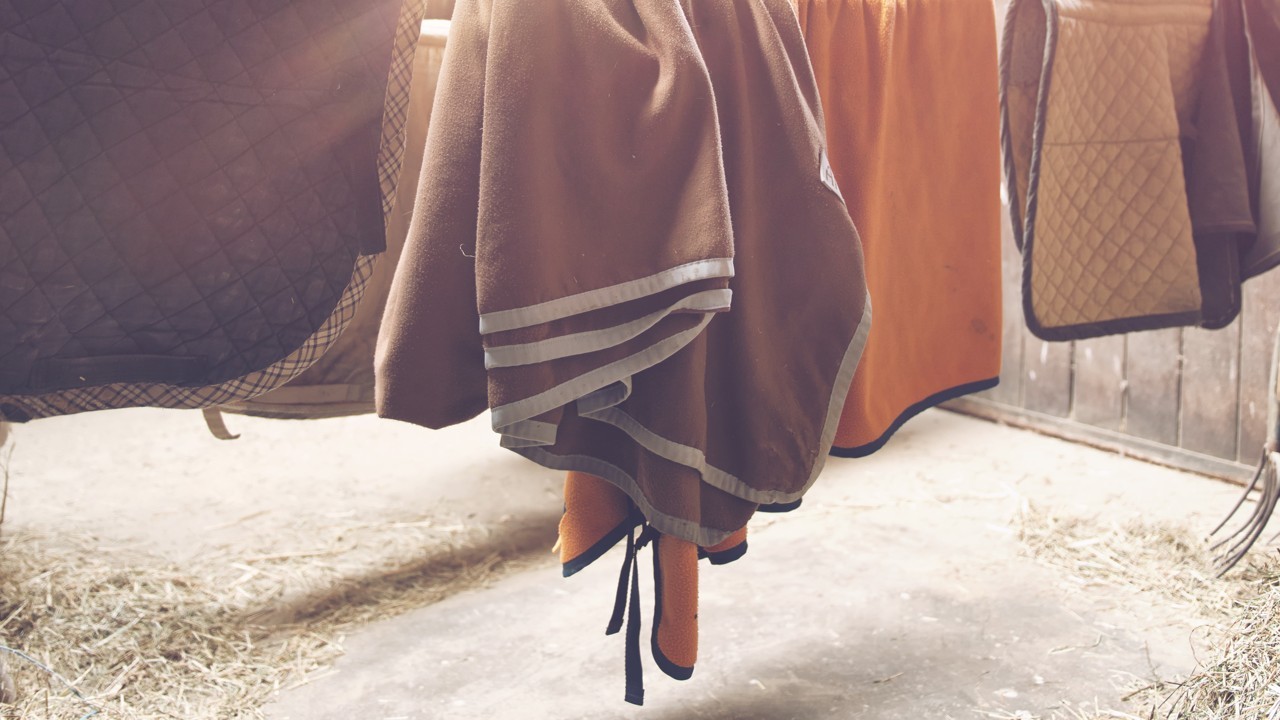
- Air dry only. Hang it in a ventilated spot out of direct sun -- heat and UV break down waterproof coatings, and a dryer's heat can damage fill and trim.
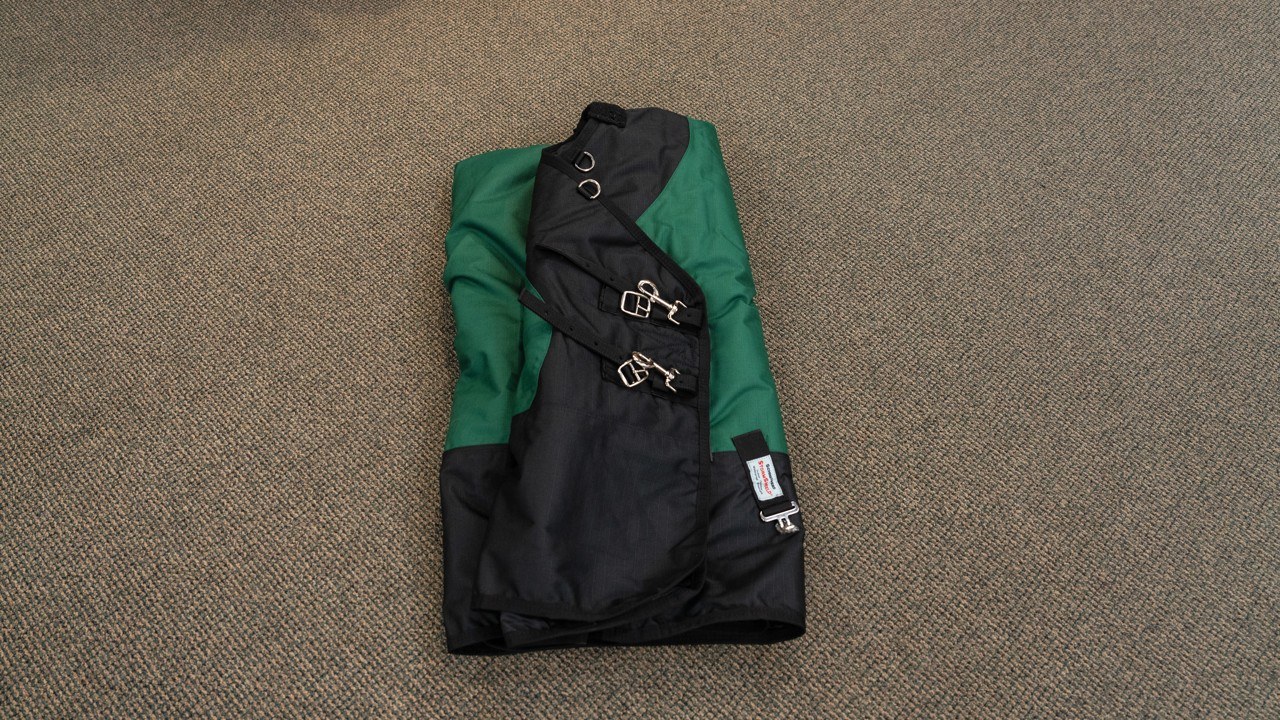
- Make sure it's fully dry before storage. Packing away a damp blanket invites mold and mildew.
- Use a breathable storage bag. Keeps out dust, moisture, and anything that chews, while still letting the fabric breathe.
- Check it once before the season starts. A quick look for tears or worn straps keeps small issues from turning into a mid-winter scramble.


Everything to keep it its best.
Neck covers, wash, reproofer, and storage -- the riders whose blankets last the longest are the ones who stay ahead of it. Start here:
Quick answers
A few times over the course of a season is usually enough for a turnout in regular use -- wash when it's visibly dirty or starting to smell, not on a fixed schedule. Washing more than needed just wears down the waterproofing faster.
Lightweight sheets and coolers usually can, as long as your machine has enough capacity and the care tag doesn't say otherwise. Heavier turnouts with thick fill or hardware are safer hand-washed or pressure-washed.
Waterproof coatings wear down with time, washing, and sun exposure. Run the water test -- if water soaks in instead of beading up, it's time to reproof rather than replace.
Small tears and worn straps are usually repairable -- patch kits and repair tape handle rips in the shell, and replacement straps and buckles are easy fixes. Catching damage early makes repairs simpler.
Wash it, let it dry completely, and store it in a breathable bag somewhere cool and dry, away from direct sun and pests. Never store a blanket damp.
Not sure about the fit or the right care routine? Reach out to our team -- we ride and own horses too, and we're happy to help. Family-owned and horse-obsessed since 1948.