
The Last Halter Your Horse Will Ever Shred
Built from 1" triple-ply 100% nylon with heavy-duty brass-plated hardware and precision brass grommets, the Dura-Tech® Supreme is engineered for horses who treat standard halters like a hobby. Trusted by Schneiders customers across all 50 states since 1948.
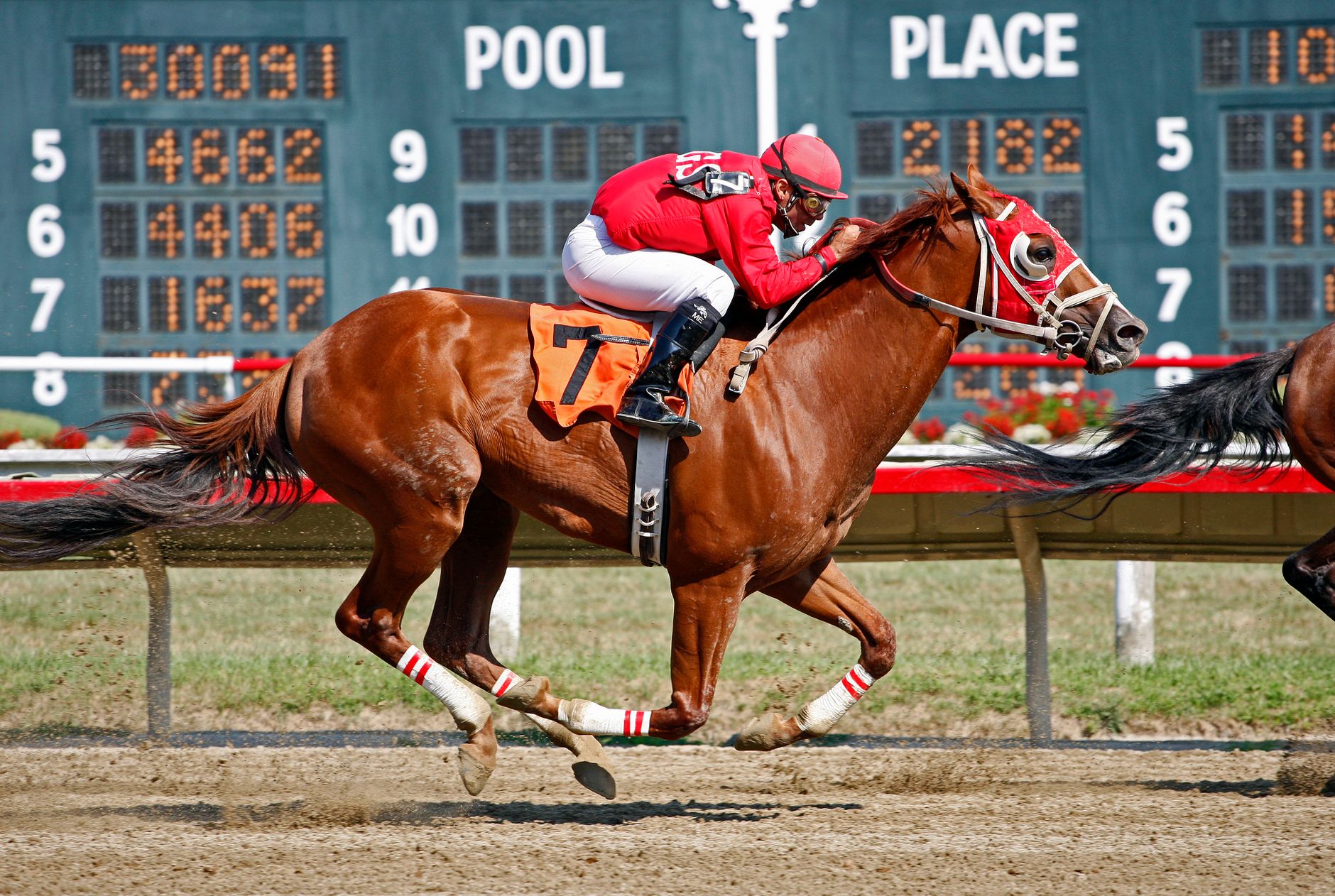
Your Halter Is Failing Your Horse — You Just Haven't Seen It Yet
It starts with something small. A frayed edge on the noseband that you notice while grooming — you run your thumb over it, tell yourself it's fine, and keep moving. Then a week later the crownpiece adjustment starts slipping because the stitching at the buckle is giving way. The halter still fits, more or less, so it goes back on the hook. You've been around horses long enough to know that equipment fails gradually, and this is just early signs. But here's the thing: gradual failure in a halter isn't minor. A horse who slips a loose-fitting halter at the gate, or who panics when frayed hardware snags a fence rail, doesn't give you a warning before the situation becomes dangerous. That small fray, that slipping buckle — those aren't cosmetic problems. They're the opening act.
What makes a cheap nylon halter worse than it looks is the hidden engineering problem inside the ply. Single-ply and double-ply nylon webbing, the kind used in most halters under $30, is inherently prone to lateral splitting under consistent lateral load — exactly the kind of load a horse puts on a halter when he pulls back, spooks sideways, or simply leans into a fence line to scratch his face. The ply doesn't fail all at once. It separates from the inside, invisible until the outer layer finally peels back, and by that point the structural integrity is already gone. The hardware is usually the next domino. Stamped steel rings and zinc alloy snaps corrode faster than most owners realize, especially in humid climates or when the halter stays wet after a rain. Corrosion weakens the metal at the stress points — the cheek ring, the throat snap — and those are precisely the points that need to hold when a horse pulls hard against the lead.
Think about the daily routine you're asking a pasture halter to survive. It gets put on in the morning, stays through turnout — which means sweat, mud, UV exposure, and probably at least one episode of two horses playing tug-of-war with each other's faces — and comes off at evening feeding. Six, seven days a week. Forty-eight weeks a year if you're wintering horses out. Most budget halters are manufactured to a price point, not a use cycle, which means they're tested for fit and basic break strength but not for the cumulative stress of a full year of daily turnout on an active horse. You know this is true because you've replaced them. Maybe every eight months. Maybe every six. You budget for it the way you budget for farrier visits, as a recurring line item rather than as a failure of the equipment.
The workarounds don't help as much as they should. Treating the hardware with WD-40 slows corrosion but doesn't fix the underlying metal quality. Threading the webbing back through a loose ring and sewing it yourself buys time but not structural integrity. Buying a slightly more expensive halter in the $25 to $35 range usually just means a heavier version of the same problem — single-ply with better branding and a marginally thicker snap. The real issue is that most halter manufacturers are optimizing for purchase price, not service life. A halter that lasts fourteen months and costs $22 looks cheaper than one that costs $40 and lasts three years, but the math only runs one direction. The problem isn't that you've been making bad decisions. It's that the category is designed to keep you replacing things.
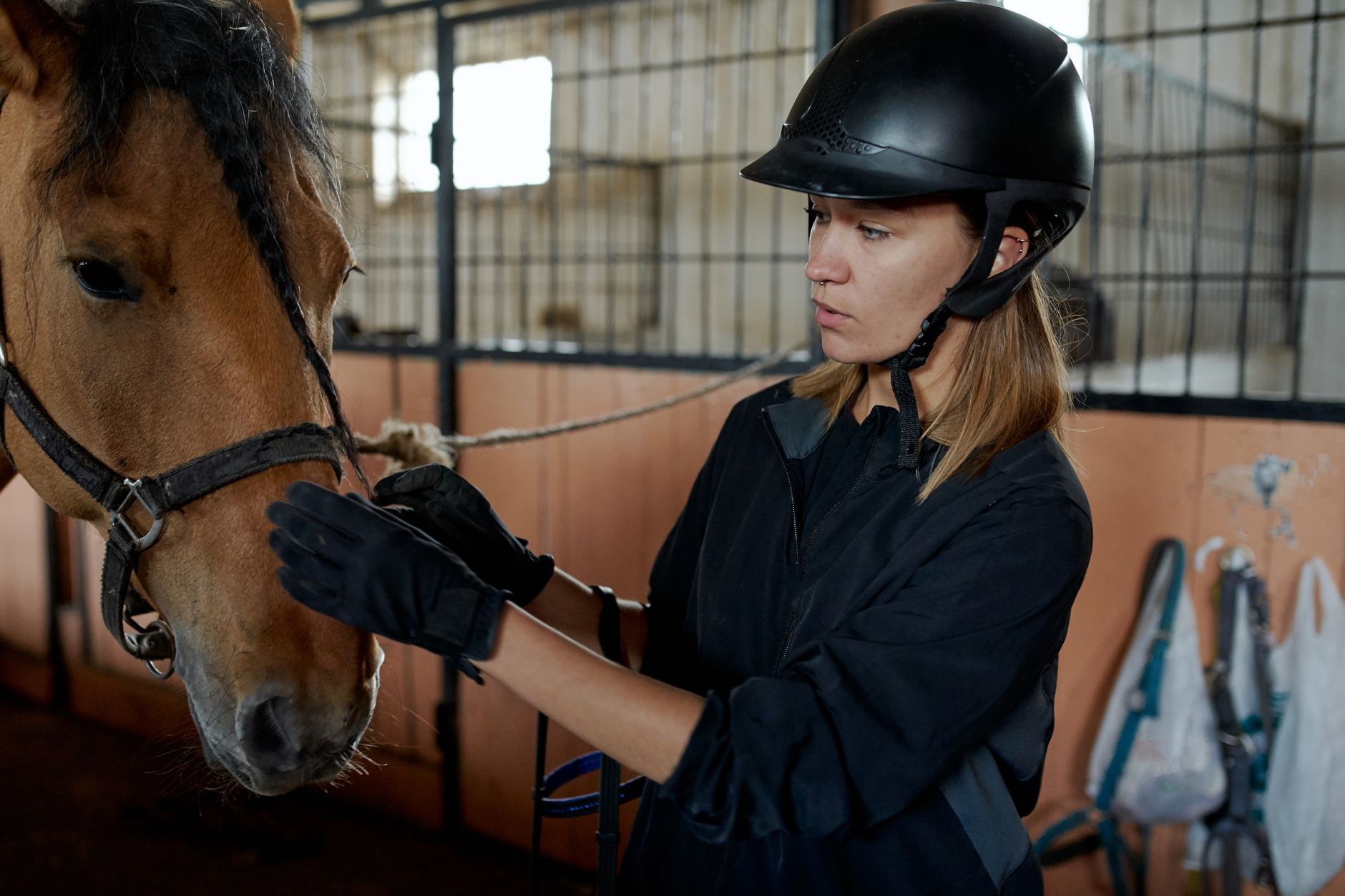
Every Broken Halter Costs More Than the One You Replace It With
The ripple effects of a halter failure extend well past the cost of a new halter. A horse who breaks out of a worn-through snap or slips a loose-fitting crownpiece doesn't stand politely by the gate waiting to be recaptured. He goes somewhere — into the road, through a fence, into the neighboring pasture where the geldings don't know him. A vet call for wire cuts runs $300 to $600 before treatment. A call to the large-animal ambulance service, if it comes to that, starts at $800. A replacement fence panel is $180. None of those costs show up on the line item next to the halter that failed, but every one of them is a direct consequence of it. Equipment that degrades gradually is equipment that fails at the worst possible moment, because horses don't wait for good timing.
There's also the quieter cost that doesn't show up on any invoice: the baseline anxiety of knowing your equipment isn't fully reliable. Every horse person has a version of this. You check the snap twice before releasing the lead. You make a mental note to replace the halter after this week, and then the week gets busy. You notice your horse has started bracing slightly when you approach with the halter because the fit has drifted and it's now pinching at the poll — but he's not dramatically resistant, just a little less willing than he used to be, and you've normalized the change. That slow erosion of trust between horse and handler, that slight tension at the halter every morning, is partly an equipment problem. A halter that fits correctly and consistently, day after day, is one fewer variable creating friction in your relationship with your horse.
Do the math on replacement cycles. If you're buying a $22 halter that lasts eight months, you're spending $33 per year per horse — and that's before you factor in the labor of fitting, adjusting, and disposing of the failed hardware. If you have three horses in daily turnout, that's close to $100 a year in halters alone, plus the time. The Dura-Tech Supreme at $39.99 is built to outlast two or three budget halter replacement cycles, which means the cost-per-month of ownership is lower than the cheap alternative, not higher. But none of that math matters if you replace it before the halter actually fails, which is exactly what happens when equipment degrades gradually and you can't tell how close to failure you actually are.
- ✗Fraying webbing that separates from the inside before you see it on the surface
- ✗Corroding hardware at the cheek ring and throat snap — the exact points that need to hold
- ✗Fit that drifts over months as buckles loosen and stitching relaxes under daily load
- ✗Replacement cycles that cost more annually than buying quality once

Triple-Ply Construction. Brass Hardware. Built to Last the Life of the Horse.
The Dura-Tech® Supreme Triple Ply Nylon Halter with Brass Grommets exists because Schneiders, after 78 years of outfitting working horses, understood exactly where budget halters fail and engineered around every one of those failure points. This is not a halter with better branding. It is a halter built to a different specification — 1" triple-ply 100% nylon webbing, precision brass grommets set into the crown for lasting adjustability, heavy-duty brass-plated hardware throughout, and a non-adjustable curb with fixed ring designed for horses who live in their halters. At $39.99, it costs less than two rounds of replacements on a budget halter, and it is built to still be in service when those replacement cycles would have lapped you twice.
The mechanism starts with the ply. Triple-ply nylon webbing means three full layers of 100% nylon bonded together across the entire length of the halter. Where single-ply webbing carries load across a single strand of material, triple-ply distributes that load through three layers simultaneously, which means the lateral splitting failure mode that destroys budget halters under consistent pasture use simply cannot propagate the same way. The nylon is also chosen for fraying resistance — the fibers are tight enough that edge abrasion from fence lines, hay feeders, and the general friction of turnout doesn't work its way through to the structural layer. The brass grommets at the crown are set precisely, not stamped loosely, so the crown adjustment holds its position after you set it rather than creeping over weeks of use. The brass-plated hardware throughout — cheek rings, throat snap, chin ring — is heavy-duty by design, not as a marketing claim.
The cascade of benefits from getting the halter right is larger than it sounds. A halter that fits correctly and holds that fit means no daily readjustment, no gradual pressure point development at the poll or noseband, and no behavioral drift in your horse from equipment discomfort. A halter with hardware that doesn't corrode means the snap opens cleanly twelve months from now the same as it does today — no stuck mechanisms, no improvised solutions with a hoof pick to work a rusted ring. A halter with triple-ply webbing means you can see the halter degrading if it ever does, rather than discovering the failure mid-use. It comes in numerous colors, so if you want your horse looking sharp in the pasture or the barn aisle, that's available too — but the engineering underneath every color is identical.
Schneiders has been in Chagrin Falls, Ohio since 1948 — three generations of a family business built entirely on the trust of horse people. The Dura-Tech line is a Schneiders private label, which means we control the specification, not a manufacturer optimizing for margin. If the Supreme halter doesn't perform the way we've described, we back it. That's not a corporate policy — it's what a 78-year-old family business does when its name is on the product. Ships to all 50 states. Free shipping on orders over $99.
Triple-Ply 100% Nylon Webbing
Three full bonded layers distribute load across the entire halter, eliminating the lateral splitting failure that destroys single-ply alternatives under pasture use.
Precision Brass Grommets at the Crown
Brass-tipped crown adjustment holds the fit you set without creeping — no morning readjustment, no pressure point drift, no reruns of the same fitting conversation.
Heavy-Duty Brass-Plated Hardware Throughout
Cheek rings, throat snap, and chin ring are all brass-plated heavy-duty — built to resist corrosion and hold under the lateral loads a working pasture horse generates daily.
Non-Adjustable Curb with Fixed Ring
The fixed-ring curb eliminates the adjustable hardware that loosens and rattles over time, giving horses in daily turnout a stable, consistent fit that doesn't shift under load.
What to Review Before Choosing This Halter
- Confirm the available Yearling/Pony, Cob, or Full Size option for your horse.
- Choose from the listed Black, Navy, Burgundy, or Green combinations.
- Review the brass-eyelet crown adjustment.
- Note the rolled throat latch and quick-fix snap.
- Consider the non-adjustable curb and fixed-ring configuration.
- Look for the heavy-duty brass-plated hardware finish.
- Decide whether to add a brass nameplate or embroidery.
How We Stack Up
| Feature | Schneiders Dura-Tech® Supreme Triple Ply | Weaver Leather | Tough-1 |
|---|---|---|---|
| Triple-ply nylon webbing | ✅ | ❌ | ❌ |
| Brass grommets for crown adjustment | ✅ | ❌ | ❌ |
| Heavy-duty brass-plated hardware | ✅ | ⚠️ | ❌ |
| Fraying-resistant nylon construction | ✅ | ⚠️ | ❌ |
| Non-adjustable curb with fixed ring | ✅ | ❌ | ❌ |
| Pasture-safe daily turnout design | ✅ | ✅ | ⚠️ |
| Multiple color options | ✅ | ✅ | ⚠️ |
| Under $40 price point | ✅ | ❌ | ✅ |
| Family-owned brand with 78-year history | ✅ | ❌ | ❌ |
| Satisfaction guarantee backed by retailer | ✅ | ⚠️ | ❌ |
What 1" Triple-Ply Nylon Actually Means for a Horse in Daily Turnout
A 1" webbing width is the working standard for full-size horse halters — narrow enough to sit correctly on the noseband and cheekpieces without creating bulk, wide enough to distribute lead pressure across a meaningful surface area rather than concentrating it at a narrow point. What the triple-ply construction adds to that standard width is depth — three bonded nylon layers that collectively resist the fraying, splitting, and elongation that degrades single-ply halters under consistent daily use. The fraying resistance is particularly relevant for horses turned out in mixed herds, where contact with fence lines, feeders, and other horses is constant. The edge of a triple-ply halter simply doesn't give way to that abrasion the way a single-ply edge does.
The hardware choices reinforce the webbing quality. Brass-plated zinc alloy is the correct material for halter hardware that lives through seasons — it resists the surface corrosion that makes stamped steel hardware sticky and eventually immovable, and it holds its finish better than chrome-plated alternatives in humid conditions. The brass grommets at the crown are set flush and tight, not stamped loosely the way grommet hardware often is on lower-cost halters, which is why the crown adjustment on the Supreme holds the position you set rather than gradually loosening over weeks of use. These are design choices, not accident. They're the decisions a company makes when it controls its own product specification and plans to put its name on the result for the next several decades.
- ✓1" triple-ply 100% nylon — three bonded layers throughout
- ✓Precision brass grommets and tipped crown for lasting adjustability
- ✓Heavy-duty brass-plated hardware at all stress points
- ✓Non-adjustable curb with fixed ring — stable fit under daily load
- ✓Available in multiple colors — engineered identically across every option
Made for Active Barn and Pasture Routines
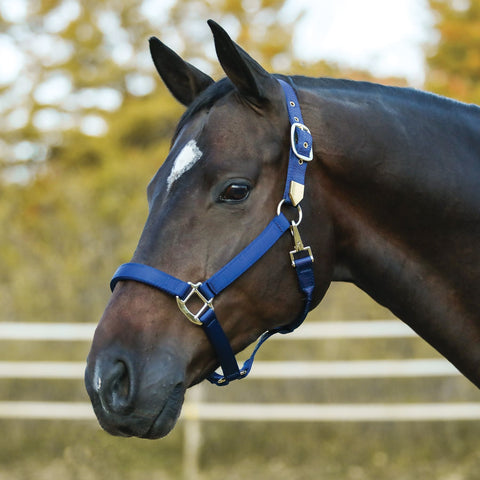
A Layered Nylon Halter With Reinforced Adjustment Details
This Schneiders halter is designed for everyday horse handling with triple-ply nylon, brass eyelets and crown tips, a quick-fix throat snap, a fixed-ring curb, and brass-plated hardware. Available options also let you coordinate size, color, and personalization.
Choose the Size, Color, and Personalization That Suit Your Horse
Select an available Dura-Tech® Supreme Triple Ply Nylon Halter with Brass Grommets in the size and color combination that fits your barn routine, then consider a brass nameplate or embroidery.