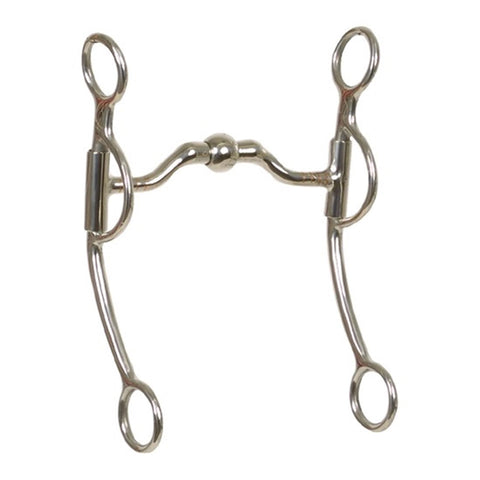
The Bit That Finally Gets Out of the Way So Your Horse Can Perform
The Robart™ Pinchless Spinner Ball Port Bit uses a patented internal bushing design to eliminate tongue and cheek pinching — so your horse stays relaxed, responsive, and focused on the job instead of fighting discomfort.
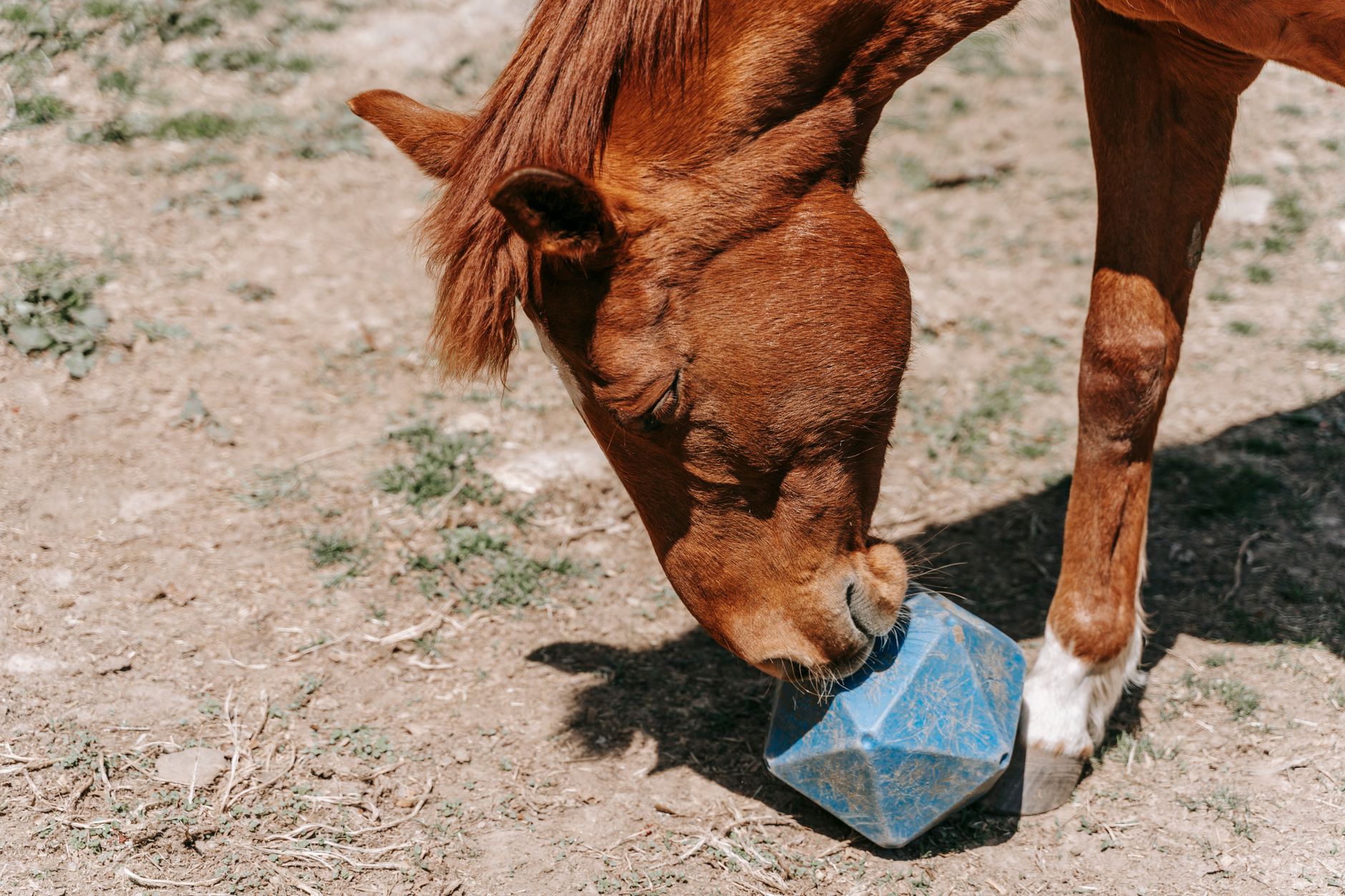
Most Horse Bits Are Solving the Wrong Problem — And Your Horse Is Paying the Price
Picture a quiet Tuesday morning schooling session. Your horse warmed up fine on a loose rein, but the moment you picked up contact and asked for a simple 10-meter circle, something shifted. The jaw tightened. The neck got high and short. The back came up instead of swinging. You asked again, softer this time, and got a head toss and a step sideways. Nothing dramatic — just that familiar low-grade resistance that tells you something in the communication chain has broken down. This is not a training problem. This is a pain problem disguised as a training problem, and it costs riders months of progress while they chase behavioral fixes that cannot work.
The root cause is almost always the bit itself — specifically the way conventional jointed and port bits behave under rein pressure. When a single-jointed snaffle collapses in the middle it creates what old horsemen called the "nutcracker effect": the joint rises and presses upward on the palate while both shanks squeeze inward against the tongue and the commissures of the lips. Double-jointed bits reduce palate pressure but still concentrate force at the tongue. Ported bits relieve tongue pressure but trade it for palate contact. What almost every bit on the market fails to solve is pinching — the mechanical grip that catches soft tissue between moving metal parts the instant you take up a rein. It happens fast, it hurts, and a horse that has felt it even once will begin to anticipate it before you ever apply pressure.
Live with this problem long enough and the compensation patterns compound. A horse that braces against anticipated pinching develops tension through the entire topline — the poll tightens, the back stiffens, the hindquarters lose their forward swing. Lateral work becomes a negotiation. Collection becomes a fight. Downward transitions feel sticky or abrupt because the horse is protecting his mouth rather than following your seat. Riders start adding draw reins or stronger bits or more leg, and none of it touches the actual problem because the actual problem is a millimeter of metal catching a centimeter of soft tissue every time the reins go taut.
The frustrating part is how long this can go undiagnosed. Horses cannot point to what hurts. They can only react, and reactions get labeled as attitude problems, greenness, or lack of fitness. Well-meaning trainers suggest more flatwork, more lateral work, more desensitization — all fine advice for a horse with a training gap, all completely useless for a horse in low-grade oral pain. Riders spend months on lessons and entry fees and saddle fittings before someone finally thinks to look at the bit. By that time the horse has learned to brace as a reflex, which means even after the source of pain is removed, the behavioral habit takes weeks of patient re-training to unwind. The answer was never complicated. The bit just needed to stop pinching.
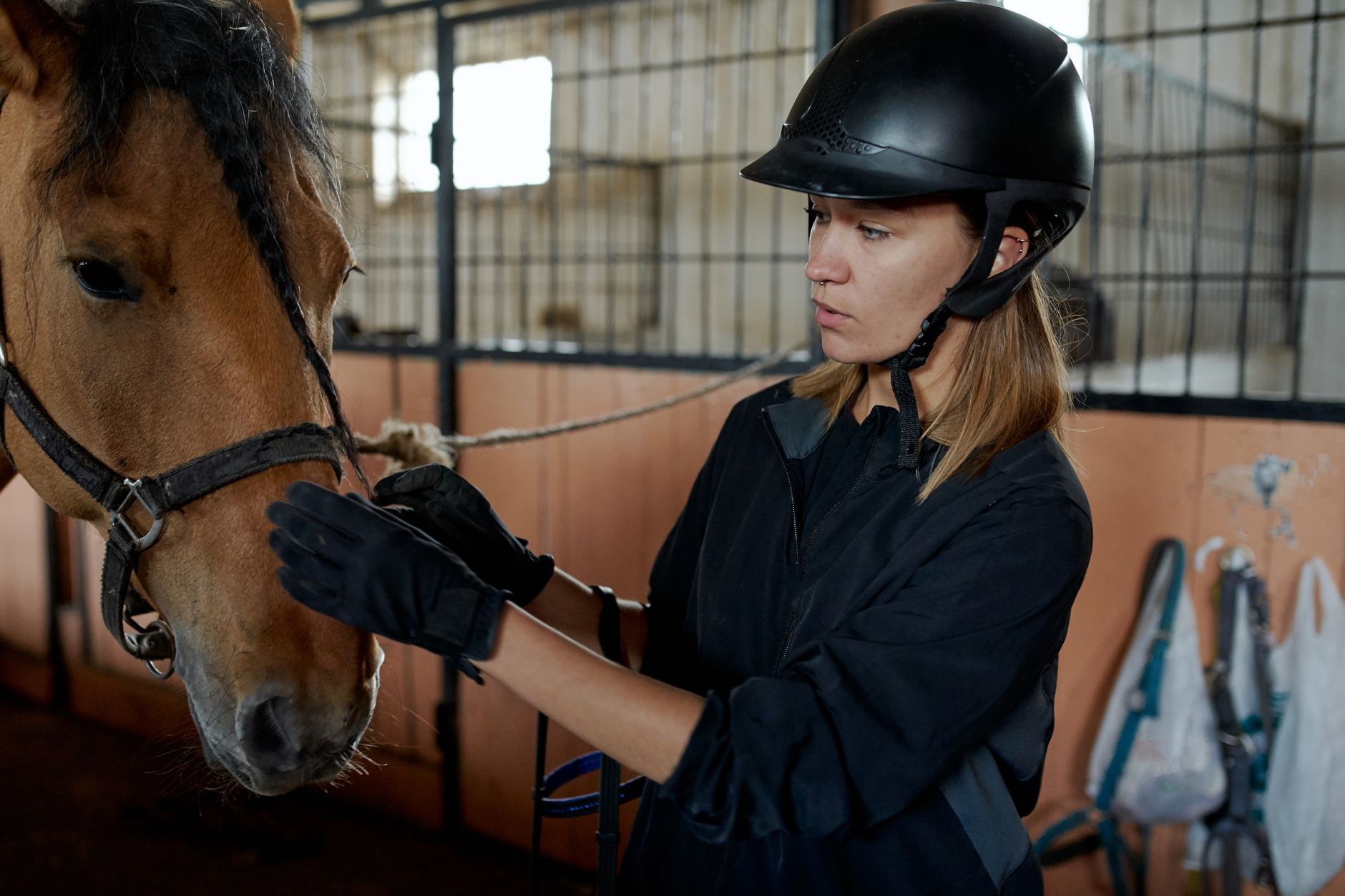
Every Ride With the Wrong Bit Is a Deposit Into a Bank of Distrust — Here Is What That Actually Costs
The ripple effects of a horse that doesn't trust his bit reach into every corner of your riding life. Flatwork schooling stalls at the level where rein contact increases — you can hack beautifully on a long rein but the moment you school, the resistance returns. Jump approaches get tense because the horse knows a half-halt is coming and a half-halt means pressure and pressure means discomfort. Trail rides that should be relaxing become white-knuckle exercises in managing a horse that won't settle because he can't fully relax into the contact. The bit problem does not stay in the ring. It goes everywhere the horse goes.
The emotional toll on both horse and rider is real and often underestimated. Horses that live with chronic oral discomfort develop generalized anxiety around tacking up — some begin to show it at bridling, pinning ears or tossing their head as the bit approaches. Riders start dreading schooling sessions they used to enjoy. Confidence erodes in the horse, patience erodes in the rider, and what should be a partnership becomes a management exercise. This is not a reflection of riding skill or horse quality. It is a mechanical problem producing an emotional outcome, and it is fixable — but only if you identify and eliminate the source rather than working around it indefinitely.
The financial cost of getting this wrong is not trivial either. Riders who chase the problem with training often spend hundreds of dollars on extra lessons and clinics before the actual cause surfaces. Multiple bit purchases — trying a French link, then a KK Ultra, then a low-port curb — add up to $200 or more in equipment that partially helps but doesn't fully solve the issue. Veterinary visits for soft-tissue evaluation, dentistry checks, and chiropractic appointments to address the secondary muscular tension from chronic bracing can easily run $500 to $1,000 over the course of a show season. All of it is money spent on downstream symptoms rather than the upstream cause. A single correct bit selection, made at the start, would have short-circuited all of it.
- ✗Head tossing and jaw clenching the moment contact increases
- ✗Topline tension and a short, stiff back that won't swing through
- ✗Lateral work that feels sticky, resistant, or above the bit
- ✗Months of "training" fixes that don't stick because pain is the root cause

The Robart™ Pinchless Spinner Ball Port Bit: Engineered to Eliminate the Problem, Not Work Around It
Schneiders has carried the Robart line for years because it solves a real problem with an engineering solution rather than a training workaround. The Robart™ Pinchless Spinner Ball Port Bit was built around one specific goal: eliminate every source of soft-tissue pinching without sacrificing the independent lateral action and tongue relief that allow precise, subtle communication. The result is a bit that horses accept willingly, carry quietly, and respond to with the kind of light, relaxed softness that every rider is working toward. It is not magic — it is geometry applied correctly to a problem that conventional bit design has largely ignored.
The mechanism is an internal bushing system at each cheek connection. In a traditional bit, metal articulates directly against metal, which means any lateral movement of a cheek piece can catch and compress the commissure of the lip or the edge of the tongue between two moving surfaces. The Robart bushing keeps those surfaces separated. Each half of the mouthpiece rotates independently — so lifting a shoulder on the right side with your right rein does not disturb the left — but no rotation point ever creates a pinch point. The low-profile port sits comfortably on the tongue without pressing the palate, and the spinner ball at the center of the port gives the horse's tongue a point of contact to work against, which research and decades of rider experience consistently show encourages salivation, jaw relaxation, and an overall reduction in the anxiety response that tight bits produce.
The cascade of benefits that follows from genuine oral comfort is the part riders talk about most. When a horse stops bracing against anticipated pinching, the tension in the poll releases first — usually within one or two rides. The back follows, and you start to feel that swinging, elastic stride that was always there but was locked behind defensive muscle tension. Lateral movements become straighter because the horse is no longer drifting to protect one side of his mouth. Collection becomes possible at a lighter rein weight because the horse is following the contact rather than evading it. What reads on paper as one change to the tack has a measurable effect on every movement in your flatwork and on the quality of every transition.
Schneiders has been fitting horses since 1948 — 78 years of watching what works and what doesn't across every discipline, every breed, and every level of riding. When we stock a bit, it's because it has earned its place with real horses ridden by real people, not because a catalog page looked good. The Robart Pinchless comes backed by our full satisfaction guarantee: if it doesn't improve your horse's acceptance and your quality of contact, return it. We stand behind that because we have watched this bit work too many times to doubt it. Try it under the conditions that have been causing you problems and see what a horse feels like when the bit finally stops getting in the way.
Zero Pinch at Every Contact Point
Patented internal bushing design isolates moving parts so metal never catches tongue or lip tissue — even under strong lateral rein pressure.
Independent Half-Rotation for Precise Lateral Work
Each side of the bit moves on its own, so a shoulder lift or flexion aid on one rein doesn't disturb the other side of the horse's mouth.
Spinner Ball Encourages Active Relaxation
The low port's center ball gives the tongue a point of contact that promotes salivation, jaw softness, and the relaxed, focused mindset horses need to learn.
Backed by 78 Years of Practical Horsemanship
Schneiders has fit tack to horses since 1948. This bit earned its place in our lineup through results, not marketing — and it comes with our full satisfaction guarantee.
What Riders Are Saying
"
My 12-year-old AQHA gelding has always been a headshaker with traditional jointed bits — I'd tried three different snaffles and two port bits with zero improvement. Switched him to the Robart Spinner Ball Port and within two rides he was chewing quietly and reaching forward into my hand. We placed third in our first reining run with him genuinely soft through the poll. The spinner ball seems to give him something to think about other than bracing. This bit changed our entire training program.
""
I compete in hunter under saddle and equitation and needed a bit my mare would accept without gaping or fussing at the in-gate. She has a low palate and anything with too much port would bang her, but a flat bar caused her to lock her jaw. The Robart Pinchless hits the sweet spot — low enough port for her anatomy, and the independent rotation means she doesn't feel trapped when I pick up both reins. Three shows in, her scores on way of going have gone up two points on average. Worth every cent.
""
Trail and endurance riding puts a horse in a bit for six-plus hours at a stretch. Tongue pinching wasn't something I thought about until my Arab mare started tossing her head every time I asked for a downward transition — my vet flagged soft tissue irritation in her commissures. The Robart Pinchless eliminated that pressure point completely. Two 30-mile rides later her mouth is quiet, she steers off a loose rein, and the head-tossing is completely gone. I've since bought a second one as a backup because I refuse to ride without it.
"How We Stack Up
| Feature | Schneiders Robart™ Pinchless Spinner Ball Port Bit | Myler Level 2 Comfort Snaffle | Sprenger KK Ultra |
|---|---|---|---|
| Pinchless internal bushing design | ✅ | ❌ | ❌ |
| Independent half-cheek rotation | ✅ | ✅ | ❌ |
| Tongue-relaxing spinner ball | ✅ | ❌ | ❌ |
| Low port tongue relief | ✅ | ⚠️ | ✅ |
| Zero palate pressure | ✅ | ⚠️ | ✅ |
| Multi-discipline use (W & E) | ✅ | ✅ | ✅ |
| Suitable for sensitive/bit-shy horses | ✅ | ⚠️ | ⚠️ |
| Stainless steel construction | ✅ | ✅ | ✅ |
| Under $100 | ✅ | ❌ | ❌ |
| Satisfaction guarantee + free shipping | ✅ | ❌ | ❌ |
What Sets the Robart Pinchless Apart From Every Other Port Bit in This Price Range
Most port bits in the $75–$120 range are off-the-shelf castings that address tongue relief and nothing else. The port lifts off the tongue, which is meaningful, but the cheek-to-mouthpiece joints still use direct metal-on-metal articulation — and that is where the pinching happens. A horse with a sensitive mouth or a history of bit avoidance will feel that pinch point even at light contact, which is why so many riders try a low-port bit, notice partial improvement, and still can't quite get the softness they're looking for. The Robart bushing is the step those bits are missing. It is a more complex component to manufacture, which is why most bit makers skip it, but it is the difference between a bit that merely doesn't hurt badly and a bit that genuinely doesn't hurt at all.
The spinner ball is similarly underappreciated by riders who haven't used one. A static port gives tongue relief; a spinner port gives tongue engagement. The ball encourages the horse to explore the bit with his tongue in a low-effort, non-threatening way, which triggers the same neurological relaxation response as a horse playing with a salt lick or mouthing hay. Horses ridden in spinner bits consistently show lower poll tension, more consistent salivation (the key indicator of a relaxed, accepting mouth), and faster recovery to a quiet frame after a demanding movement. The combination of the bushing design and the spinner ball makes the Robart one of the most complete solutions available for horses that have learned to protect their mouths — and at $89.99, it is one of the most accessible.
- ✓Patented internal bushing eliminates all metal-on-metal pinch points
- ✓Low port with spinner ball center promotes tongue relaxation and salivation
- ✓Independent half-rotation for precise, non-conflicting lateral aids
- ✓Stainless steel construction — durable, rust-resistant, easy to clean
- ✓Suitable for Western and English disciplines; check USEF rulebook for your class
What You Get