Stop Throwing Away Blankets Over a Rip
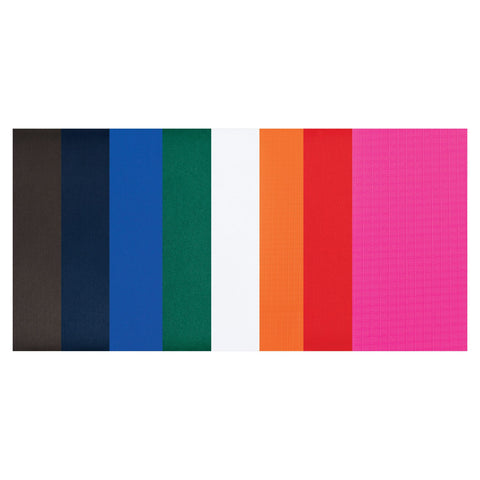
Schneiders® Horse Blanket Repair Tape bonds in minutes with waterproof ripstop nylon — the same material as your blanket. One roll saves a $200 turnout. Keep a roll in your tack room and never toss another fixable blanket again.

Every Horse Owner Has a Pile of Blankets They Can't Bear to Toss — and Can't Afford to Fix
It starts the same way every time. You pull a blanket off your horse on a cold Monday morning and notice a tear along the shoulder seam — maybe three inches, maybe six. Could be from a fence wire, could be from a paddock mate's hoof, could be from the way your horse rolls into the corner of his stall with the enthusiasm of a 1,200-pound toddler. The tear isn't catastrophic. The blanket still fits. The fill hasn't migrated yet. But you know, with the certainty that only comes from years around horses, that if you turn that horse out tonight, the tear will double by morning and triple by the weekend. So you fold the blanket, set it on the pile, and start mentally pricing replacements.
That pile grows faster than most horse owners want to admit. A 300g medium-weight turnout is a $150 to $250 investment. A quality stable sheet with proper chest closures runs $80 or more. When a tear appears, it doesn't just threaten one blanket — it exposes the horse to the exact weather that blanket was bought to manage. A rip along the topline lets wind funnel straight down the back. A belly tear soaks through in the first rainstorm. A shoulder breach means fill shifting and bunching, rubbing the withers raw in ways that take weeks to heal. One unfixed tear cascades into a horse management problem, not just a gear problem.
And the daily logistics of a ripped blanket are exhausting. You start rotating through your backup supply — the blanket that never fit quite right, the old sheet that's too light for November, the borrowed one from your trainer that you've been meaning to return for three months. You're making decisions every evening based on which damaged blanket is least damaged rather than which one is right for the forecast. Your horse ends up in the wrong weight for the temperature, or you're layering in combinations that shift and bind overnight. The repair feels like something you'll get to eventually, but eventually keeps getting pushed back by everything else that happens at a barn.
Most horse owners have tried the obvious fixes. Duct tape, the universal first responder, lasts approximately one rain. It peels at the edges within hours of contact with moisture, the adhesive stains the nylon, and the backing shreds in a way that leaves sticky residue embedded in the blanket fabric long after the tape itself is gone. Heavy-duty fabric adhesives require clamps, dry time, and ideal conditions — none of which exist in a barn aisle in November. Sewing works if the tear is clean and straight, but most blanket rips are jagged L-shapes through ripstop weave, and hand-stitching ripstop nylon without an industrial machine just means the stitches tear through the next time the blanket is stressed. The pile keeps growing.
A Ripped Blanket Left Too Long Isn't Just a Gear Problem — It's a Horse Health Problem
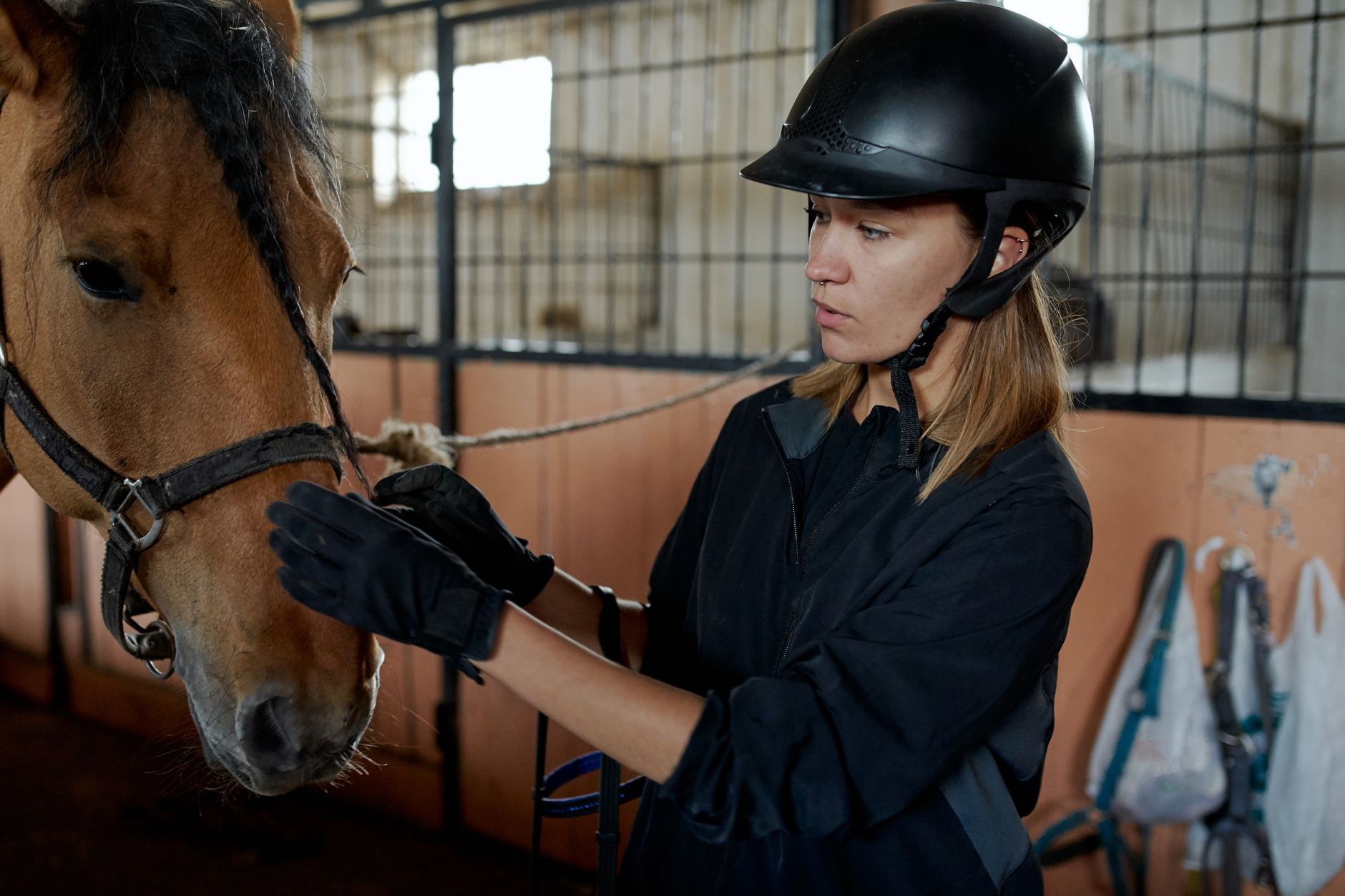
The ripple effects of an unrepaired blanket move outward quickly. A small shoulder tear becomes a wither rub inside a week of wet-weather turnout. A belly rip that lets cold air in disrupts thermoregulation in exactly the horses who need consistent warmth most — the hard keepers, the seniors, the fresh clips. You start watching your horse's weight more anxiously, adding hay at evening check, wondering whether the condition drop you're seeing is the cold or the feed or the blanket or all three at once. A piece of tape that costs less than a cup of coffee is directly connected to your hay bill, your vet call cadence, and your horse's comfort through the six worst months of the year.
There's an emotional toll here that doesn't get talked about enough in the gear-and-product conversation. Horse people care deeply about their animals, and there's a specific kind of low-grade guilt that comes with knowing your horse is going out in a compromised blanket because you haven't fixed it yet. You checked the weather at 5 AM and it's supposed to drop to 28 with freezing rain, and your best turnout blanket has a four-inch tear along the shoulder, and you're standing in the barn aisle at 6 AM in the dark making a judgment call you wish you didn't have to make. That guilt is unnecessary. It's the kind of problem that has an easy answer — but only if you have the right tool ready when the rip appears, not three days later when you finally order something online.
The financial math of workarounds is punishing when you add it up honestly. A replacement blanket for each ripped one costs $150 to $250 per item and creates a storage and rotation problem — now you have more blankets than hooks, more seasonal changeovers to manage, more inventory to launder at the end of the year. Sending a blanket to a professional repair service costs $25 to $60 per repair, plus shipping each direction, plus the turnaround time during which your horse is without that blanket anyway. Over the five-to-seven-year lifespan of a quality turnout, a single horse owner might spend $300 to $500 on professional repairs or premature replacements that a $5.99 roll of the right tape would have prevented entirely.
- ✗Duct tape peels off in one rain and leaves sticky residue behind
- ✗Professional repair services cost $25–$60 plus two-way shipping
- ✗Unrepaired tears expose horses to cold, wind, and moisture mid-season
- ✗Fabric glues and hand-stitching require time and conditions barns never have

Waterproof Ripstop Nylon, Pressure-Sensitive Bond, Five-Minute Fix — Right From Your Tack Room
Schneiders® Horse Blanket Repair Tape was built specifically for this job — not repurposed from a hardware store shelf, not borrowed from another industry. It's pressure-sensitive ripstop nylon tape with an adhesive formulated to bond to the same materials horse blankets are made from: woven poly shells, nylon linings, and blended outer covers. At $5.99 a roll, it's the kind of supply that earns its place next to the hoof pick and the standing wraps as a permanent fixture of the tack room — something you reach for without thinking because it's always there.
The mechanism is straightforward and intentional. The ripstop nylon backing matches the structural weave of blanket shells, which means the patch flexes the same way the blanket flexes — it doesn't fight the fabric when a horse moves, rolls, or leans through a fence. The pressure-sensitive adhesive grips immediately on contact, so there's no waiting for a cure time or hunting for clamps. For maximum bond strength, a warm iron pressed over the patch for 30 seconds activates the adhesive further and creates a seal that holds through washing, rain, and the kind of sustained mud contact only horse blankets experience. The tape works equally well on outer shells and inner linings, covering both sides of a tear cleanly.
The cascade of benefits starts with the repair and extends through the entire season. A blanket fixed correctly in October stays in rotation through March. Your backup supply stays as backup rather than primary. Your horse goes out in the right weight for the forecast instead of whatever's least damaged. The wither rub that was starting to develop from a shoulder seam rubbing an exposed edge stops developing. You stop calculating the replacement cost every time you pull the blanket off and start treating the blanket the way you bought it — as a multi-year investment that just needed five minutes of attention.
Schneiders has been fitting horses and supporting horse owners since 1948, which means 78 years of understanding what fails in horse gear and why. This tape exists because we watched customers throw away blankets that had years of use left in them, over rips that were absolutely fixable. It's backed by the same satisfaction guarantee that stands behind everything we sell: if it doesn't do what it's supposed to do, we make it right. That's not a corporate policy — it's how a third-generation family business keeps the same customers for decades.
Waterproof Ripstop Nylon
Same material as your blanket shell — patches flex with the fabric instead of fighting it
Pressure-Sensitive Adhesive
Bonds on contact, no cure time, no clamps — field-ready repair in under five minutes
Iron-On Option for Maximum Hold
A warm iron press activates deeper adhesion — holds through washing, rain, and heavy turnout use
Works on Shells and Linings
Repairs outer covers and inner linings equally — one roll handles both sides of any blanket tear
What Riders Are Saying
"
My mare Duchess went through the fence panel last January and took a six-inch L-shaped rip out of her 200g turnout. I cut a patch of Schneiders repair tape, pressed it on, ran a warm iron over the edges, and turned her back out that same afternoon. That blanket made it through the rest of the winter with zero peeling. When I finally washed it in March, the patch was still locked down flat. I've since put it on two other blankets with the same result. At $5.99 a roll it's the cheapest insurance in my barn.
""
I manage twelve horses for a combined driving operation in upstate New York, and blanket damage is just part of winter life here. We keep three rolls of this tape in the barn office now. Last season I repaired nine blankets in the field — quick trim, peel, press, done. The ripstop nylon backing holds up through rain, sleet, and mud like nothing else I've tried. It doesn't bubble or curl the way generic patches do, and it doesn't leave adhesive gunk behind when you eventually remove it. For a high-volume barn this tape pays for itself every single week.
""
My OTTB Copperhead is notorious for shredding turnout blankets — he leans through gates, he rolls aggressively, and he tests every seam. I was replacing blankets almost every season until a friend at the barn told me about this tape. I've now patched his current sheet four times across one winter, including a nasty tear along the belly gusset, and it looks and functions like new. The iron-on option makes the bond feel almost factory. I'm a hunter/jumper rider, not much of a handy-person, and even I can do this repair in under five minutes.
"How We Stack Up
| Feature | Schneiders Schneiders® Blanket Repair Tape | Tear-Aid Type B | Gorilla Tape |
|---|---|---|---|
| Ripstop nylon backing | ✅ | ✅ | ❌ |
| Designed for horse blankets | ✅ | ⚠️ | ❌ |
| Works on outer shell and lining | ✅ | ✅ | ❌ |
| Waterproof bond | ✅ | ✅ | ⚠️ |
| Iron-on activation option | ✅ | ❌ | ❌ |
| No sticky residue after removal | ✅ | ✅ | ❌ |
| Flexible — moves with blanket | ✅ | ✅ | ❌ |
| Equine-specific formulation | ✅ | ❌ | ❌ |
| Price per roll (approx.) | $5.99 | $12–$18 | $8–$10 |
| Backed by 78-yr equine retailer | ✅ | ❌ | ❌ |
What Makes This Tape Different From Every Other Option You've Already Tried
The core problem with generic repair tapes on blankets is a materials mismatch. Standard duct tape and packing tape are built for rigid surfaces — cardboard, PVC pipe, painted wood. When you put them on a woven nylon blanket shell, the adhesive is fighting a flexible, textured, porous substrate that moves constantly under a horse. The backing doesn't flex, the adhesive shears along the edges as the blanket moves, and moisture wicks under the edge seal before the first rainstorm is finished. Schneiders® Horse Blanket Repair Tape starts from ripstop nylon because that's what actually matches the surface it needs to stick to.
The iron-on activation is what separates a field repair from a permanent repair. Press-and-stick gets you back in the turnout tonight. Iron-on means that blanket goes back into heavy rotation without you watching the patch corners nervously through the season. The adhesive is designed to respond to low, sustained heat — not a hot iron, just warm — which means it activates without damaging the blanket fabric underneath. The result is a patch that looks factory-applied and behaves that way through the kind of sustained abuse that horses and Ohio winters dish out with equal enthusiasm.
- ✓Waterproof ripstop nylon construction matches blanket shell materials
- ✓Pressure-sensitive adhesive bonds immediately on contact
- ✓Iron-on activation (warm setting) for permanent, wash-resistant hold
- ✓Works on both outer shell covers and inner blanket linings
- ✓Cuts cleanly with scissors for custom patch shapes and sizes
What You Get