Your Horse Has Been Staring at That Stall Wall Long Enough
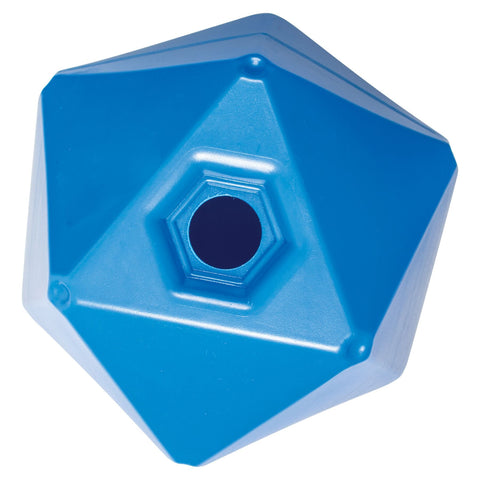
The Schneider's Treat Ball Feeder turns idle stall hours into active, brain-engaging foraging. Fill it with your horse's favorite treats, set it on the stall floor, and watch the obsession begin. At $39.99 it's the cheapest behavioral upgrade in your barn — backed by 78 years of horse-person expertise out of Chagrin Falls, Ohio.
Boredom in the Stall Is Not a Minor Inconvenience — It's a Welfare Problem
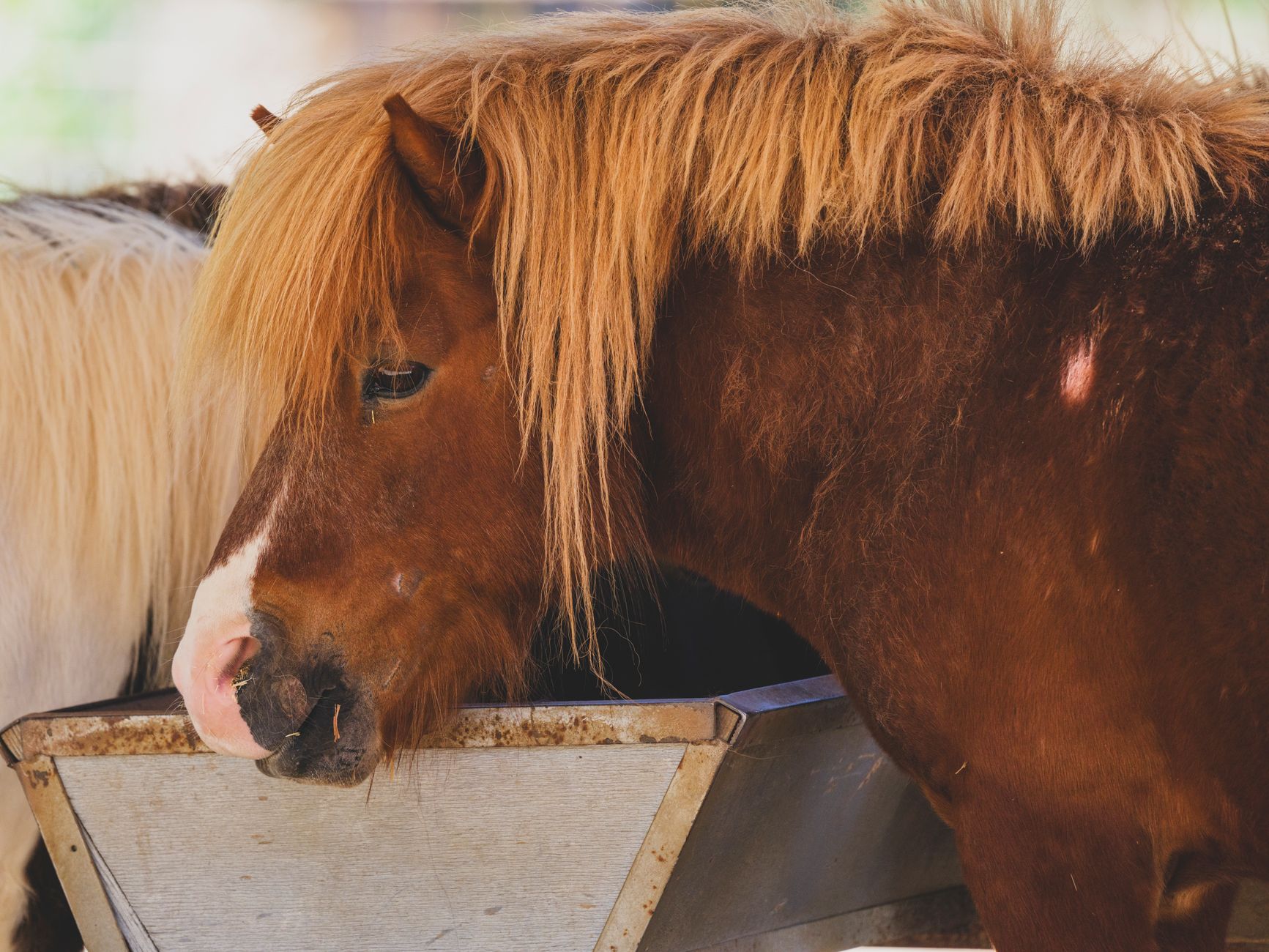
Picture the scene: it's 8 a.m., your horse has been in the stall since 6, hay is gone by 6:15, and the next turnout isn't until noon. For the next six hours he stands with nothing to do. In the wild, horses spend 16 to 18 hours a day moving, foraging, and socializing — an existence built around near-constant low-level mental engagement. A box stall with four walls and a water bucket delivers almost none of that. The gap between what the horse's nervous system expects and what modern management delivers is enormous, and horses fill that gap the only ways available to them: movement, noise, or repetitive behavior.
What makes stall boredom harder to address than it looks is that it compounds. A horse who starts weaving after two idle hours will wean more intensely after four. One who begins cribbing out of frustration can cement that habit into a near-permanent neurological groove within months, long before the owner realizes what's happening. The behaviors themselves cause secondary damage: rhythmic pacing wears away stall flooring and the horse's feet; cribbing creates dental wear and reinforces gut dysbiosis by altering saliva production; stall kicking strains tendons and endangers the horse's legs as well as your barn's lumber. A bored horse is not just annoying — he is gradually damaging himself and your facility.
The daily grind is exhausting for the people around him too. You field a call from the barn manager about the kicking. You feel guilty every time you drive away after a short ride. You spend the first ten minutes of every visit reading body language to see if today is a high-anxiety day or a manageable one. You pack the trailer with extra hay, you try leaving the radio on, you arrange for a barn buddy, you pay for extra turnout when the schedule allows — and still the 10 a.m. stall walk-check shows a horse who has been pacing circles in the shavings since breakfast. The management workarounds pile up but the core problem stays.
Most owners try the obvious fixes first: a jolly ball that gets kicked to the corner and ignored after day two, a slow-feeder hay net that the horse empties faster than advertised, a salt lick that gets consumed in a week, or a mirror that one horse loves and the next horse spooks at. These aren't bad ideas but they address a symptom — idleness — without engaging the behavior that actually drives the horse's brain: foraging. A horse's foraging drive is not casual preference; it is hard-wired instinct. Until you give the horse something that mimics the unpredictability and reward of natural grazing, you haven't really solved the problem.
Every Hour of Unaddressed Boredom Is Quietly Raising Your Future Vet Bill
The ripple effects of chronic stall boredom touch every part of horse ownership. Performance horses who are mentally under-stimulated between training sessions often arrive at work over-reactive — hot, tight through the back, hard to focus. Trainers describe it as the horse having nowhere to put the energy that built up during confinement. Lesson horses who spend eight hours in a stall before a string of beginner rides can't be expected to be patient; the stall experience has already primed them for reactivity. Even pleasure horses who are ridden only on weekends accumulate days of frustration that eventually express themselves in behaviors their riders interpret as bad attitude or laziness — when the real issue is a nervous system that has been sitting idle in a concrete box.
The emotional cost lands on the owner too, in ways that are easy to underestimate. Guilt is the most common one: you know your horse isn't thriving and you feel responsible every time you see the wood-chewing marks on the stall boards or hear the rhythmic thump of kicking at 2 a.m. when you're in bed. Anxiety follows: will today be the day he hurts himself? Will the barn owner finally lose patience? Horse ownership is supposed to be a joy and instead it becomes a management crisis you never fully resolve. The relationship between horse and owner erodes quietly when every interaction starts with dealing with the fallout from boredom rather than building something together.
Financially, chronic stall boredom is one of the most expensive conditions in the barn because it mimics so many other problems. The vet gets called for recurring mild colic that turns out to be stress-related gut motility issues. The farrier notes foot quality declining in a horse whose pacing is causing repetitive concussion. The chiropractor treats back soreness that originated in hours of rhythmic swaying. The barn manager charges extra for a stall that needs its boards replaced annually from kicking. A single purchase that interrupts the cycle of boredom behavior pays for itself many times over — and at $39.99, the Schneider's Treat Ball Feeder costs less than one farm-call surcharge.
- ✗Stall kicking and wood-chewing destroying barn infrastructure
- ✗Weaving and cribbing hardening into permanent stereotypies
- ✗Stress colic and gut issues from prolonged confinement
- ✗Over-reactive, hard-to-focus horse at every ride

One Ball. Fill It. Done. Watch Your Horse Actually Relax.
The Schneider's Treat Ball Feeder is the simplest, most durable answer to stall boredom we've found in 78 years of outfitting horse barns. It's a rugged polyethylene ball — 11 inches long by 9.5 inches high — with an opening sized to hold your horse's favorite treats and release them unpredictably as the ball rolls and tips across the stall floor. That unpredictability is the key. Unlike a treat that appears on a fixed schedule or a hay net that empties at a predictable rate, the Treat Ball mimics the variable-reward structure of actual foraging: the horse never knows exactly when the next treat will fall out, so he keeps trying, keeps moving, keeps engaged. That is not a gimmick — it is basic behavioral science applied to horse enrichment.
The mechanics are deliberately simple: fill the ball through the opening (it accepts most standard horse treats, peppermints, carrot pieces, or pellets), place it in the stall, and let your horse figure out the rest. Horses typically spend 20 to 60 minutes per session actively working the ball — nudging it with their nose, pawing it, rolling it into corners and retrieving it. When the treats are gone the ball becomes a low-stakes toy that many horses continue to interact with out of habit. The polyethylene shell has no sharp edges, no small detachable parts, and no components that can trap a hoof — it is safe to leave unattended in stall or paddock. Safe for ponies too; the 9.25-inch width fits standard pony stalls without getting wedged in corners.
The cascade of benefits that follow consistent use is one our customers describe again and again. The obvious one is quieter stalls: kicking, weaving, and cribbing events drop in frequency once the horse has a meaningful outlet for that pent-up foraging drive. Less obvious but equally important: horses who get daily mental enrichment tend to arrive at work calmer and more focused, because they're not bringing three hours of accumulated frustration into the arena with them. Horses on stall rest — the population most desperately in need of enrichment — show measurably less stress behavior when enrichment feeders are part of the management protocol. Vets who work with post-surgical horses have recommended exactly this type of device for decades.
Behind the Treat Ball Feeder is a company that has been in your barn, metaphorically speaking, since 1948. Schneider Saddlery was founded in Chagrin Falls, Ohio by people who worked with horses, and every product we carry — from our Dura-Tech blankets to our ARMORFlex boots to this treat ball — has to clear the same bar: does it actually help the horse? If you buy it and it doesn't work for your horse, we'll make it right. That's not a marketing line; it's how a three-generation family business stays in business for 78 years.
Cuts Stall Boredom Behaviors
Engages the horse's natural foraging drive, reducing kicking, weaving, cribbing, and wood-chewing in stall and paddock.
Durable Polyethylene Shell
No sharp edges, no detachable parts. Safe to leave unattended in stall or paddock — built to survive daily horse contact, not break from it.
Works for Horses and Ponies
At 11"L x 9.5"H x 9.25"W the ball fits standard horse and pony stalls without jamming in corners or getting lost under bedding.
Fill With Any Treat
Wide opening accepts peppermints, carrot pieces, low-sugar pellets, or your horse's personal favorite — no proprietary refills required.
What Riders Are Saying
"
My 17-year-old OTTB gelding, Red Tape, used to kick the stall wall for 45 minutes after morning feed — every single day. The barn owner was about to ask me to move him. Three weeks with the Treat Ball Feeder and the kicking has stopped completely. He spends that same 45 minutes nosing the ball around his stall, working out every last crumb of the timothy pellets I pack it with. I genuinely did not believe a $40 toy could fix what three barn changes couldn't. I was wrong.
""
I barrel race and my mare Cinder spends long hours in the trailer and then tied at events waiting to run. She was developing a weaving habit that was starting to worry my vet. I started using the Treat Ball Feeder in her stall at home to give her an outlet, and within two weeks the weaving during travel also dialed way back — her overall anxiety just dropped a notch. My vet thinks the mental stimulation during downtime is genuinely carrying over. Simple product, real result. Schneiders has been my go-to since forever and this is exactly why.
""
Boarding facility owner here with 22 horses in full care. I bought six Treat Ball Feeders after a laminitic mare on stall rest started cribbing. Gave her the ball with low-sugar treats and within a week the cribbing sessions shortened dramatically. Now I put one in every stall-rest horse's program automatically. At $39.99 each it is the most cost-effective behavioral tool in my barn — cheaper than one dose of acepromazine and it actually addresses the cause rather than masking it. Durable too; the oldest one is going on 14 months and still looks fine.
"How We Stack Up
| Feature | Schneiders Schneider's Treat Ball Feeder | Horsemen's Pride Jolly Ball | Likit Boredom Breaker |
|---|---|---|---|
| Treat-dispensing mechanism | ✅ | ❌ | ⚠️ |
| Durable polyethylene shell | ✅ | ⚠️ | ❌ |
| No sharp edges — stall-safe | ✅ | ✅ | ✅ |
| Safe unsupervised in paddock | ✅ | ✅ | ❌ |
| Works with any standard treat | ✅ | ❌ | ❌ |
| No proprietary refills required | ✅ | ✅ | ❌ |
| Pony and horse stall compatible | ✅ | ⚠️ | ✅ |
| Under $45 retail price | ✅ | ✅ | ❌ |
| 78-year brand satisfaction guarantee | ✅ | ❌ | ❌ |
| Ships all 50 US states | ✅ | ⚠️ | ⚠️ |
What 78 Years of Barn Experience Taught Us About Horse Enrichment
Enrichment isn't a trend — it's what experienced horse people have been doing informally for decades, hanging water buckets in different spots, hiding carrots in hay, rotating turnout companions. The Treat Ball Feeder formalizes that instinct into a single repeatable tool. We've stocked enrichment products since before the term 'environmental enrichment' made it into mainstream horse management literature, and the pattern we see consistently is that the products which last are the ones that engage the foraging behavior specifically — not just the mouth, and not just the eyes, but the whole seek-investigate-reward loop that a horse's brain runs on.
Size and material matter more than most people realize. An undersized ball gets batted under the water bucket and forgotten; an oversized one can't be maneuvered in a standard stall. The 11-inch length on this feeder is not arbitrary — it's sized to be nose-pushable for a 14.2-hand pony and still engaging for a 17-hand warmblood. Polyethylene was chosen over rubber because it doesn't absorb the ammonia environment of a stall, doesn't degrade in UV the way vinyl does, and doesn't develop the sticky surface that makes cheap plastic balls magnets for shavings. The Treat Ball Feeder is a tool designed by people who spend time in barns, for people who spend time in barns. That's the only kind of product Schneider Saddlery has ever made.
- ✓Durable polyethylene — no sharp edges, stall-safe unsupervised use
- ✓11"L x 9.5"H x 9.25"W — fits horse and pony stalls
- ✓Variable-reward treat release mimics natural foraging behavior
- ✓Wide fill opening accepts any treat: peppermints, pellets, carrots
- ✓Safe for stall or paddock — no tether required
What You Get