
Stop Watching Your Horse's Show-Ring Tail Turn Into a Mud-Caked Mess Every Turnout
The UltraFlex® Lycra Tail Bag wraps, protects, and preserves — so the tail you spent months growing stays exactly where you need it: ready for the ring.
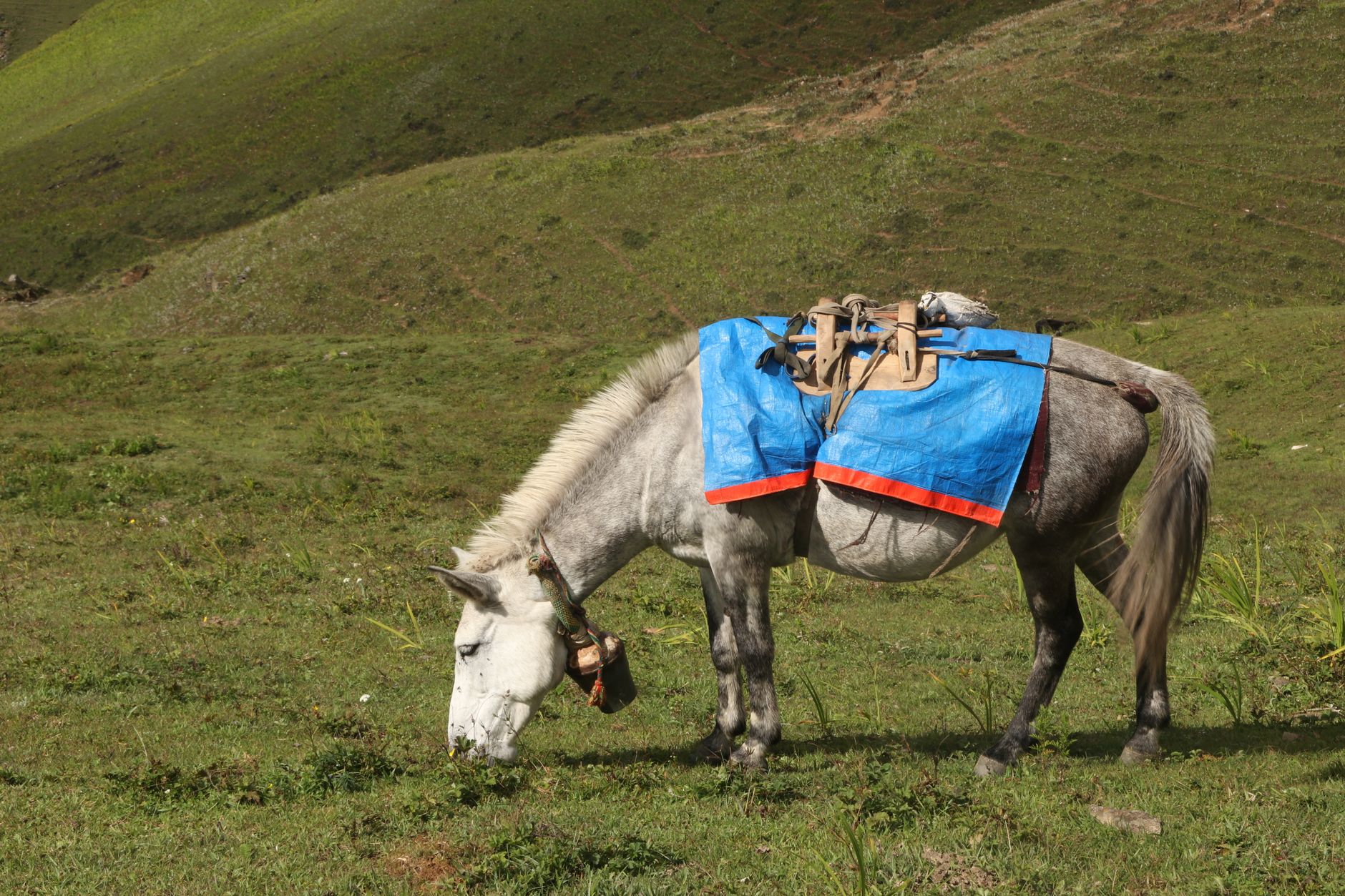
Every Wet Season Is Quietly Erasing Years of Tail Growth You Can't Get Back
Picture a typical Tuesday in late October. Your mare has been turned out for the night, the paddock gate swings shut behind you, and by morning her tail — that long, full tail you've been conditioning and protecting since spring — has turned into a matted, mud-soaked rope that took the fence along the way. You brush it out. You condition it. You count the hairs on the brush and try not to calculate how many show-season regrowth cycles that represents. This is the week-in, week-out reality for anyone who keeps horses on real ground in real weather, and if you're reading this, you already know exactly what that Tuesday morning looks like.
Here's the part that rarely gets talked about plainly: a damaged tail isn't just cosmetic. Tail growth is slow — experienced horsemen put it at roughly half an inch per month under good conditions. That means one bad winter, one ice storm, one season where the tail goes unprotected, can cost you years of regrowth. For show horses, that's a scoring deficit visible to every judge in the lineup. For any horse, it's a heat and bug protection structure that took years to build and can be gone in weeks. The breakage you're seeing isn't surface-level — it's structural damage to the individual hair shaft that no conditioner reverses once it's done.
The math of unprotected tail maintenance adds up fast. A thorough detangling and conditioning session on a neglected tail runs 20 to 45 minutes, depending on how bad the weekend was. Multiply that across a string of horses — or even just the single mare who insists on rubbing against the round pen panels — and you're losing meaningful hours every week to a problem that shouldn't require that much labor. And that's before you price out the detanglers, the conditioners, the leave-ins, the show sheen, the wide-tooth combs you're burning through when the knots get serious. It compounds quietly until the weekly routine is unrecognizable from what you planned when you got into horses.
Most horse people have tried the obvious workarounds. Braiding the tail works — until it rains, or until the horse leans against something hard enough to flatten the braid into a wick for every bit of mud in the paddock. Tail wraps have their place for short-term stabling, but they require daily removal for turnout and leave the tail completely exposed the moment the horse goes out. Pulling the tail in entirely is a show-ring choice that most disciplines won't accommodate and some owners won't make for their horses' comfort. The truth is that most common solutions either create new problems, demand daily intervention, or simply don't survive a full turnout the way the situation demands.
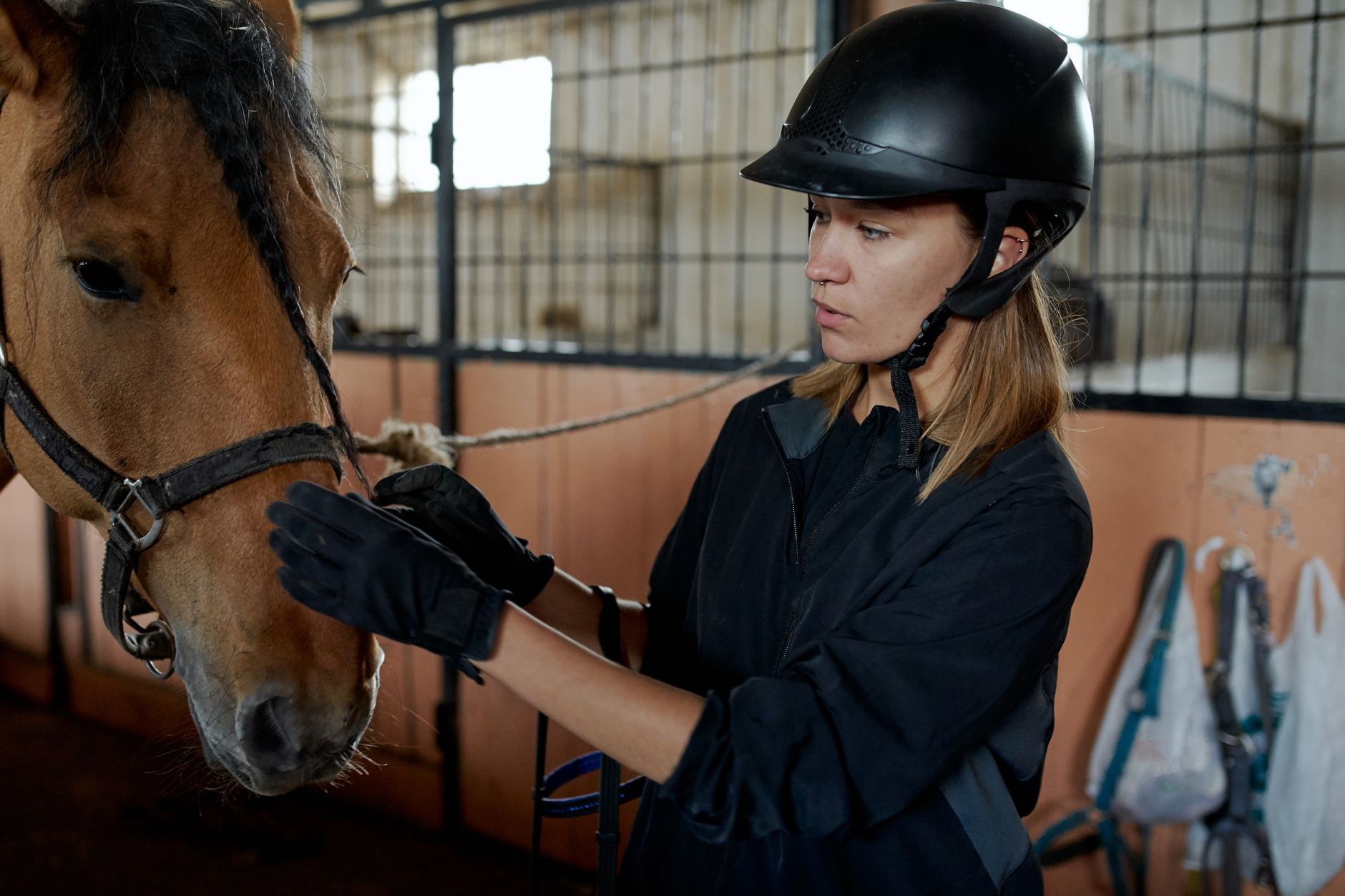
Unprotected Tails Don't Just Look Bad — They Cost You Placings, Time, and Real Money
The ripple effects of unprotected tail damage reach further than the tail itself. In the show ring, a sparse or broken tail affects the overall picture of the horse — judges notice, and the margin between placings in well-matched classes is often exactly that kind of visual detail. At the barn, a horse that's uncomfortable with brushing because tangles have built up for weeks becomes harder to handle for tail care, creating a cycle of avoidance that lets the problem compound. A horse who rubs because there's debris lodged in the tail can develop raw spots on the dock that are harder to treat than the original problem ever was.
There's an emotional cost here that's real and worth naming. You chose to have horses. You put in the time, the money, the early mornings and late nights. Watching something you've carefully built — months of tail growth, a competition season's worth of preparation — get destroyed by one wet week in the paddock is genuinely demoralizing. The show that went sideways because the tail just didn't look right. The photo from the clinic where you can see exactly what four months of breakage looks like. The feeling that you're working twice as hard as you should have to for results that are still halfway there. Horse people are resilient, but that resilience gets worn down by problems that are preventable.
Running the numbers on DIY tail management is uncomfortable. A quality detangler runs $15 to $30 a bottle with regular use on a single horse. Deep conditioning treatments add to that. The wide-tooth combs, the show sheen, the de-shedding brushes — add it up over a season and most horse people are spending $150 to $300 annually just trying to manage a problem that protection would solve at the source. Add in the competition points and judged placings that came in under where they should have, and the cost of leaving the tail unprotected is a number most people would rather not calculate.
- ✗Muddy turnout destroys months of tail growth overnight
- ✗Coarse materials snag and break hair with every movement
- ✗Daily detangling eats hours you don't have
- ✗UV exposure fades color and weakens hair structure all season long

UltraFlex® Lycra Tail Bags: Engineered for the Way Horses Actually Live
The UltraFlex® Lycra Tail Bag is what protection looks like when it's designed by people who have spent time around actual horses in actual conditions. Three bags come in the package — enough to rotate through wash days, to outfit a small string, or to keep one in the trailer for show-day emergencies. They're sized to accommodate a full tail with room to move, and the self-tie closure means no hardware to snag, no buckles to rust, and nothing that becomes a pressure point at the dock during a long overnight turnout.
The Lycra construction is doing specific, considered work here. Unlike nylon or canvas alternatives that create friction against the hair shaft with every movement, Lycra moves with the tail — it stretches, it breathes, and it releases cleanly without catching individual hairs. The result is a bag that can stay on through turnout, through light rain, through a horse that rolls twice before breakfast, without creating the secondary damage that coarser materials cause. The greater-than-95% UV protection built into the fabric blocks the wavelengths that degrade hair structure and fade color over a full season of outdoor exposure.
When the tail is protected, the care routine simplifies in ways that compound over a season. Brushing time drops because you're working with hair that hasn't been tangled by an overnight turnout. Conditioner lasts longer because it's not being washed out of a mud-soaked tail every two days. The tail grows faster in a practical sense — not because the bag changes the biology, but because breakage stops undoing the growth. Over a show season, riders consistently report presenting a visibly fuller tail in the ring than the year before — the same horse, the same biology, just protected through the winter.
Schneider Saddlery has been a family-owned business in Chagrin Falls, Ohio since 1948 — 78 years of making and standing behind products for working horse people. The UltraFlex® line is a Schneiders private label, which means the quality specifications are ours, the testing is ours, and when something isn't right, you reach us directly — not a call center, not a form. If these tail bags don't perform the way we've described, reach out and we'll make it right. That's what 78 years of customer relationships looks like in practice.
No-Snag Lycra Fabric
Stretches and moves with the tail so it never creates friction against individual hair shafts — the primary cause of breakage with coarser bags.
95%+ UV Protection
Built-in UV blocking fabric protects against the wavelengths that fade color and structurally weaken hair across a full outdoor season.
Hardware-Free Self-Tie
No buckles, no snaps, no metal hardware to rust or catch. The self-tie closure stays secure through full turnout without creating pressure points.
Pack of 3 Bags
Three bags per package lets you rotate through wash days, outfit multiple horses, or always have a clean one staged in the trailer for show day.
What Riders Are Saying
"
My AQHA gelding has an exceptionally long tail that we've spent three years growing for the reining pen. Last winter was the first time I used UltraFlex tail bags through the entire muddy season, and the difference going into spring was noticeable — the tail was intact, full, and needed maybe fifteen minutes of brushing after months of turnout. I bought another pack before the season even ended because I wasn't willing to risk it. These are the real deal.
""
I show two Warmbloods at the FEI level and tail presentation is part of the picture whether you're braiding or not. I was skeptical that a tail bag would survive my more opinionated mare's turnout habits — she's a dedicated roller — but these have held through everything she's thrown at them. The Lycra doesn't pull hair when I remove the bag, which was my biggest concern coming from a coarser bag I'd used before. Already on my third order.
""
We do multi-day trail rides and I needed something that would protect my Appaloosa's tail through creek crossings, overgrowth, and nights tied to the highline. These bags survived all of it. They're light enough that he doesn't seem to notice them, and the UV protection has kept his tail from fading the way it used to by midsummer. For the price of three bags, it's the best return on investment in my tack room.
"How We Stack Up
| Feature | Schneiders UltraFlex® Lycra Tail Bag | Professionals Choice Tail Bag | Roma Lycra Tail Bag |
|---|---|---|---|
| Snag-free Lycra construction | ✅ | ✅ | ⚠️ |
| 95%+ UV protection | ✅ | ❌ | ❌ |
| Hardware-free self-tie closure | ✅ | ❌ | ✅ |
| Rated for full overnight turnout | ✅ | ⚠️ | ⚠️ |
| Machine washable | ✅ | ✅ | ✅ |
| Multi-pack value (3 bags) | ✅ | ❌ | ❌ |
| Private label equestrian specialist | ✅ | ✅ | ⚠️ |
| UV color retention protection | ✅ | ❌ | ❌ |
| No-snag interior lining | ✅ | ⚠️ | ✅ |
| 78-year brand satisfaction guarantee | ✅ | ⚠️ | ❌ |
Built to Survive Turnout. Gentle Enough to Protect Every Hair.
The engineering challenge with a tail bag is straightforward to state and hard to solve: it has to stay put through full outdoor turnout — including rolling, rubbing, and wet weather — while never creating the friction-based breakage that defeats the whole purpose. Most bags solve the first problem at the expense of the second. The UltraFlex® Lycra Tail Bag solves both by using a material that moves the way a tail actually moves. Lycra's four-way stretch means the bag follows the tail's natural swing rather than pulling against it, and the smooth interior face means removal is clean and snag-free every time.
The UV protection built into the UltraFlex® fabric addresses a damage vector that most horse people underestimate. Hair exposed to direct sun for hours per day across a show season undergoes real structural degradation — the same photochemical process that fades colored fabrics applies to hair pigment and cortex structure. Greater-than-95% UV blocking at the fabric level means the tail inside the bag is effectively shaded all day, every day. For gray or light-colored horses where fading is most visible, and for dark horses where UV damage shows up as brittleness before color change, this protection compounds meaningfully over a season.
- ✓Smooth Lycra construction — zero friction against individual hair shafts during movement
- ✓Greater than 95% UV protection built into the fabric at the fiber level
- ✓Self-tie closure — no hardware, no buckles, no rust, no catch points
- ✓Designed and rated for full overnight and all-day turnout in wet conditions
- ✓Three bags per package — rotate through wash days or outfit your whole string
What You Get
