
Trail-Ready, Ranch-Tough, Light Enough to Actually Enjoy the Ride
The Schneiders® Work and Trail II Western Saddle weighs just 28 pounds and rides all day—padded seat, semi-quarter horse bars for today's horses, heavy-duty hardware, roughout design for grip and durability, and a close-contact fender cutout that keeps you connected to your horse when the terrain gets technical. This is the saddle for riders who need function and comfort in equal measure, from a brand that has sold saddles since 1948.
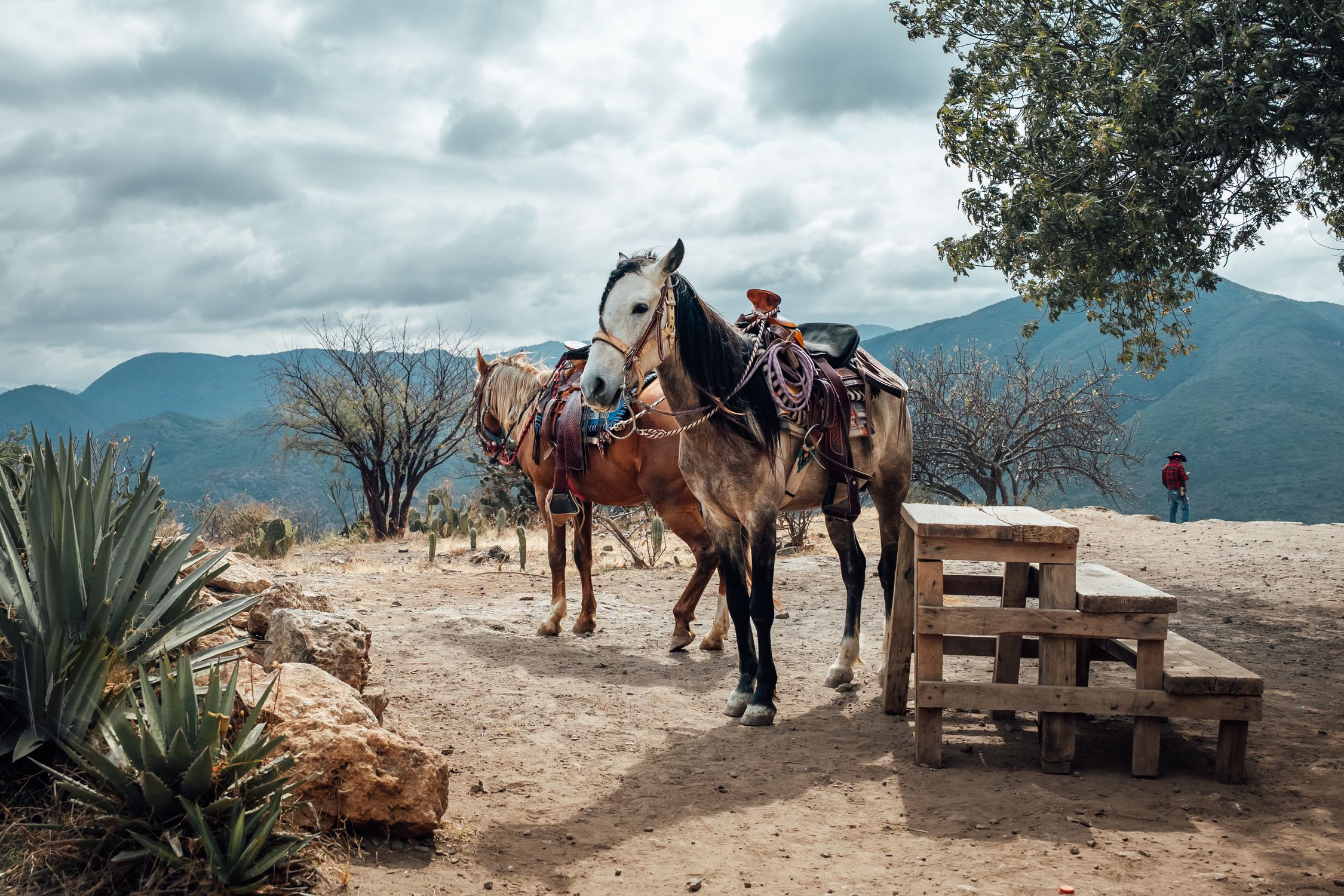
Six Hours Into a Trail Ride, Your Saddle Becomes the Enemy
The first two hours of a long trail ride are always fine. The seat feels right, your horse is moving well, the terrain is engaging. By hour four, you are shifting every twenty minutes trying to find a position that doesn't put pressure on the same spot. By hour six, you are thinking more about your own discomfort than about where the trail is going or how your horse is moving underneath you. You have a saddle that was marketed as a trail saddle but was designed—if it was designed intentionally at all—for someone who rides for an hour at a time on flat ground. You need something different.
Trail riding puts specific demands on a saddle that arena riding does not. The terrain changes constantly: uphill, downhill, side-hilling across a slope, picking through rocks, crossing water. Each terrain type asks the rider to shift weight and position in ways that require the saddle to move with them. A saddle with poor seat geometry locks you into one position and punishes any deviation. A saddle that is too heavy—many western trail saddles run 35-40 pounds—fatigues both the rider and the horse over a full day. A saddle without close contact between rider and horse makes the communication that gets you through technical terrain slow and approximate instead of precise and immediate.
The horse's side of the equation matters just as much. A trail horse covering ten miles of varied terrain is working hard, and a saddle that doesn't fit his back will show the consequences in how he moves through the last few miles compared to the first. Horses that are uncomfortable through their back on the trail shorten their stride on downhills, prop through uphill transitions, and sometimes stumble—not from clumsiness but from the protective movement pattern of a horse trying to limit pain. The trail horse that feels good through his back is the trail horse that covers ground efficiently and safely for ten years.
You have probably tried at least one saddle before this one that was sold to you as a trail saddle and proved to be something less. The one that was too heavy. The one that had bars too narrow for your horse's modern shoulder. The one that looked beautiful in the store and created dry spots at the withers on the first long ride. Each of those purchases was expensive and each of them left you less confident in your ability to identify the right saddle. The Work and Trail II was designed specifically to address the variables that those saddles got wrong.
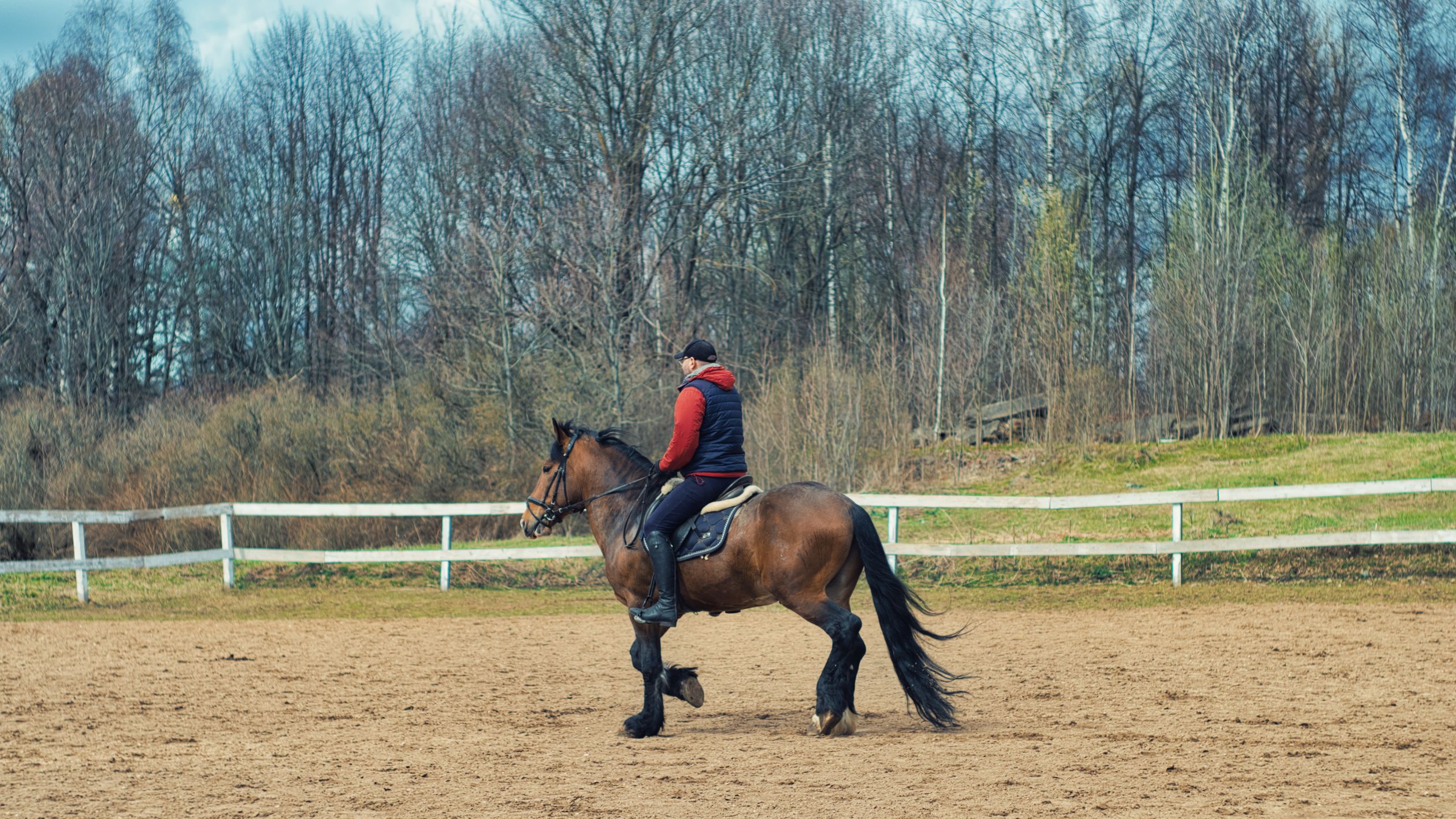
The Saddle Problem Compounds Every Mile
A saddle that creates discomfort at mile two creates more discomfort at mile six and significant pain by mile ten. This is not linear—it is exponential, because the physical adaptation patterns that both horse and rider develop to manage early discomfort become their own source of fatigue. The rider grips with their knee to stabilize a position that the seat isn't holding naturally, and that knee grip activates muscles all the way up the leg and into the hip that should not be working. By the end of the day those muscles are exhausted, and the rider's lower back is carrying the compensation load. Trail riding should make you tired in a satisfying, active way. The wrong saddle makes you tired in a painful, compensatory way—and that is the kind of tired that puts people off riding.
For the horse, the downstream effects of a poor trail saddle compound similarly. The back soreness that develops over a long ride changes his movement and his attitude about subsequent rides. A horse that has learned to associate the saddle with the discomfort of a long day under poor equipment becomes harder to catch, more resistant at the mounting block, and more difficult to keep forward on the trail. These are not personality traits—they are learned associations that a correctly fitting saddle can prevent from forming in the first place.
The cost of the wrong saddle on the trail is not just the saddle purchase. It is the chiro visits for both horse and rider, the training sessions addressing the behavioral patterns that developed around discomfort, and the diminished trail-riding seasons where you rode less because riding became something to push through rather than look forward to. A saddle that genuinely fits your body and your horse's back, at a weight you can both carry comfortably all day, pays its dividend in riding hours that you actually enjoy.
- ✗Rider discomfort that starts at hour four and makes the last miles miserable
- ✗Heavy saddles (35-40 lbs) that fatigue horse and rider on full-day rides
- ✗Bars too narrow for modern semi-quarter horse conformation — creates withers pressure
- ✗Thick fender construction that blocks close contact and slows leg communication
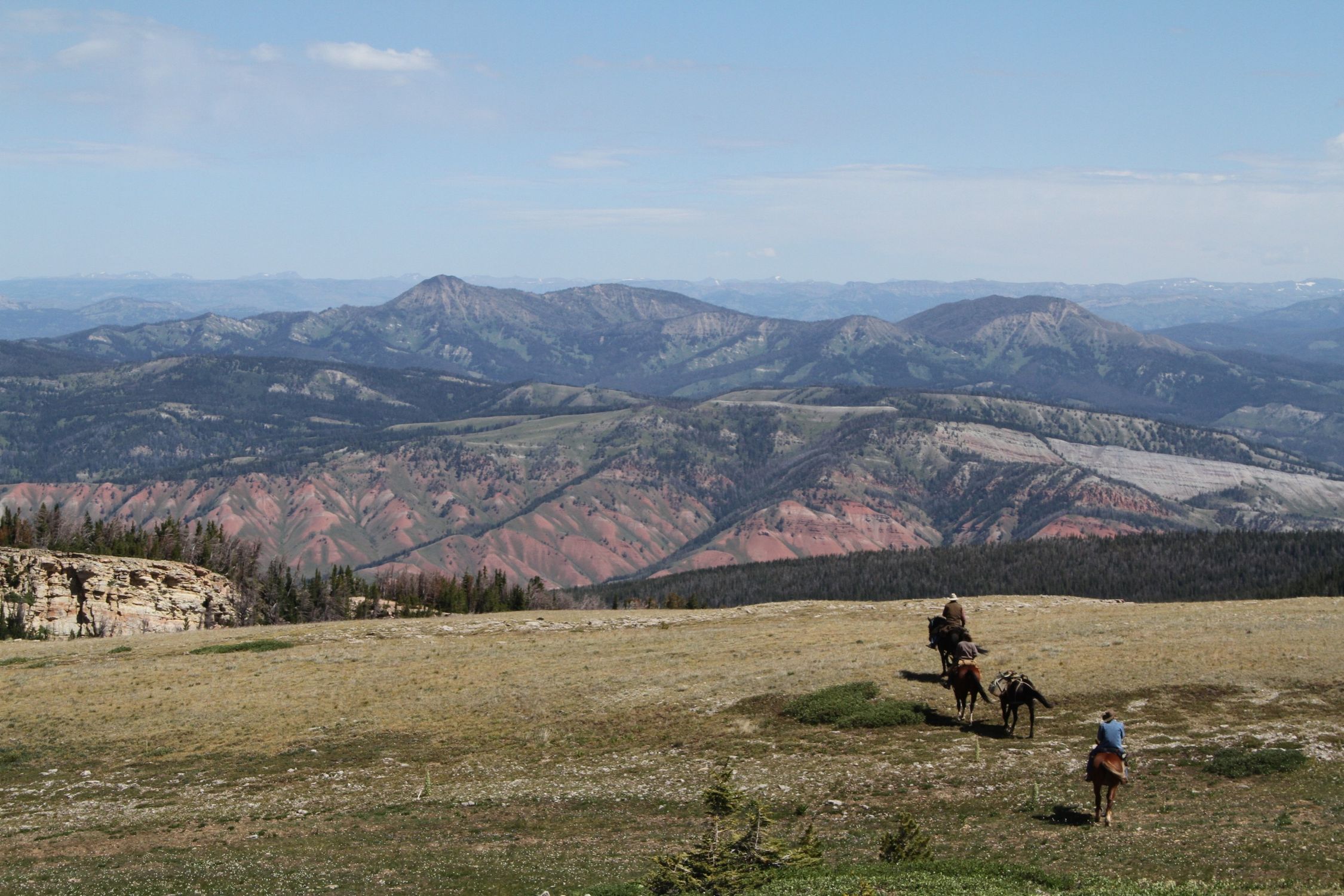
28 Pounds. All-Day Comfortable. Built for Today's Horses.
The Schneiders® Work and Trail II Western Saddle achieves a 28-pound weight not through material shortcuts but through thoughtful construction—specifically the selection of hardware, tree design, and leather thickness that delivers the necessary strength without the excess bulk of saddles that simply use more material as a proxy for quality. At 28 pounds it is among the lighter full-size western working saddles available, and that weight savings is felt directly by your horse over the course of a full day's ride.
The semi-quarter horse bars are the fit decision that makes this saddle work on modern horses. Semi-QH bars provide a shoulder angle and gullet width that fits the wide, heavily muscled shoulder of today's Quarter Horse, Paint, and cross-bred trail horses without the extreme width of full QH bars that can create rocking. The padded seat is contoured for natural weight distribution through the seat bones—not flat like a working saddle seat, not as deep as a reining seat, but the specific geometry that allows a rider to stay comfortably positioned for hours of varied terrain. The cut-out under the fender is the detail that separates working contact from disconnection: it removes the material between your lower leg and the horse's barrel, giving you close-contact feel through turns, stops, and technical sections where leg pressure is your primary communication.
When the saddle fits your horse correctly and positions you well, trail riding changes. You stop compensating and start communicating. Your horse moves more freely because the weight is distributed correctly. You ride longer with less fatigue because you are not working against the saddle to stay positioned. The technical terrain that used to feel uncertain starts to feel manageable because the close-contact fender design is letting you feel the horse's balance and respond in real time.
The Work and Trail II ships from Schneiders with our standard satisfaction guarantee. We have sold more trail and working saddles than any other single category in our 78 years, and we stand behind every one. If this saddle does not fit your horse or does not hold up to the trail work you do with it, contact us and we make it right.
Lightweight 28 lbs
Among the lightest full-size western working saddles available — your horse carries less, covers more ground with less fatigue.
Semi-Quarter Horse Bars
Fits modern wide-shouldered horses without the rocking of full QH bars — correct fit from the first ride.
Close-Contact Fender Cutout
Material removed under the fender for direct leg-to-horse contact — feel balance and respond through technical terrain.
Heavy-Duty Hardware
Built for the trail and work in equal measure — hardware rated for the loads of both disciplines.
What Defines This Work-and-Trail Saddle
- Classic roughout leather design
- Hand-shaped, padded suede seat
- Cutout beneath the fender for closer contact
- Semi-quarter horse bars
- Wood-reinforced fiberglass tree
- Short skirt for compact-backed builds
- Latigo strap and off-billet included
How We Stack Up
| Feature | Schneiders [Product Name] |
|---|
Designed for the Rider Who Does Both
The Work and Trail II was designed for the rider who crosses between working and recreational use in the same week—who needs a saddle that can handle light cattle work or arena schooling on Tuesday and a six-hour mountain trail on Saturday without being a compromise in either direction. The roughout design delivers the grip and durability that working conditions demand, while the padded seat and close-contact fender serve the comfort requirements of long trail days. The semi-QH bars are the specific fit feature that accommodates the modern horses that this kind of rider tends to have—broad-shouldered, heavily built, and poorly served by the narrow trees of a previous generation of western saddles.
At 28 pounds and $799.99, this is the saddle that makes sense for the serious recreational rider who rides often, rides hard, and needs equipment that matches the investment they make in time and miles. The heavy-duty hardware means it will not need replacement or repair from normal working use. The Schneiders guarantee means that if it does not perform as described, we make it right.
- ✓28 lb total weight — among the lightest full-size western working saddles
- ✓Semi-quarter horse bars — correct fit for modern wide-shouldered horses
- ✓Padded seat — natural weight distribution for all-day comfort
- ✓Close-contact fender cutout — direct leg communication through technical terrain
- ✓Heavy-duty hardware — rated for both working and trail demands
Why Riders May Appreciate the Fender Cutout

A Practical Blend of Grip, Contact, and Comfort
This Schneiders saddle combines roughout leather, a padded suede seat, close-contact fender construction, a short skirt, and a lightweight fiberglass-tree design for riders seeking both working function and trail comfort.
Choose Your Preferred Seat and Finish
View available options for the Schneiders® Work and Trail II Western Saddle and review its construction before selecting your saddle.